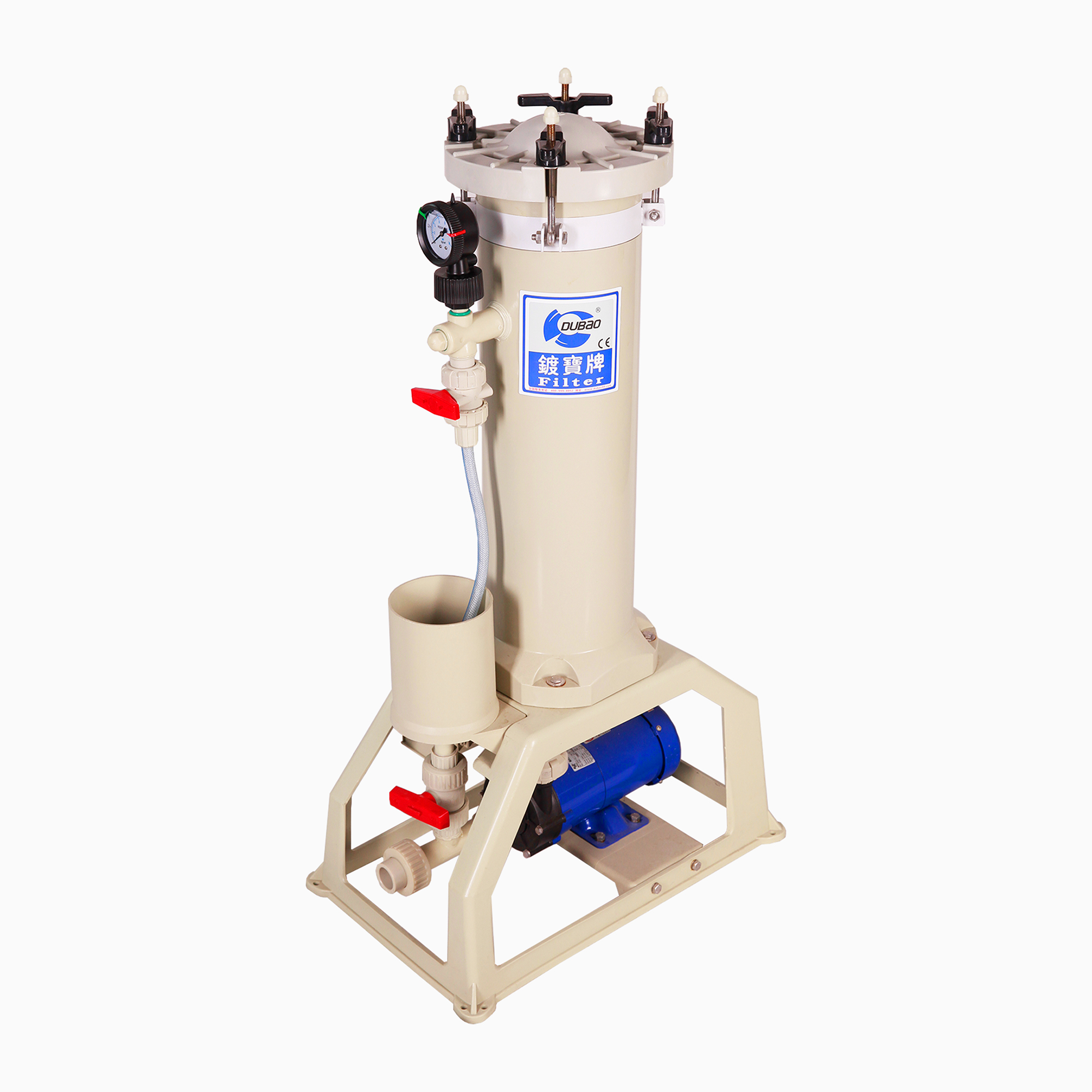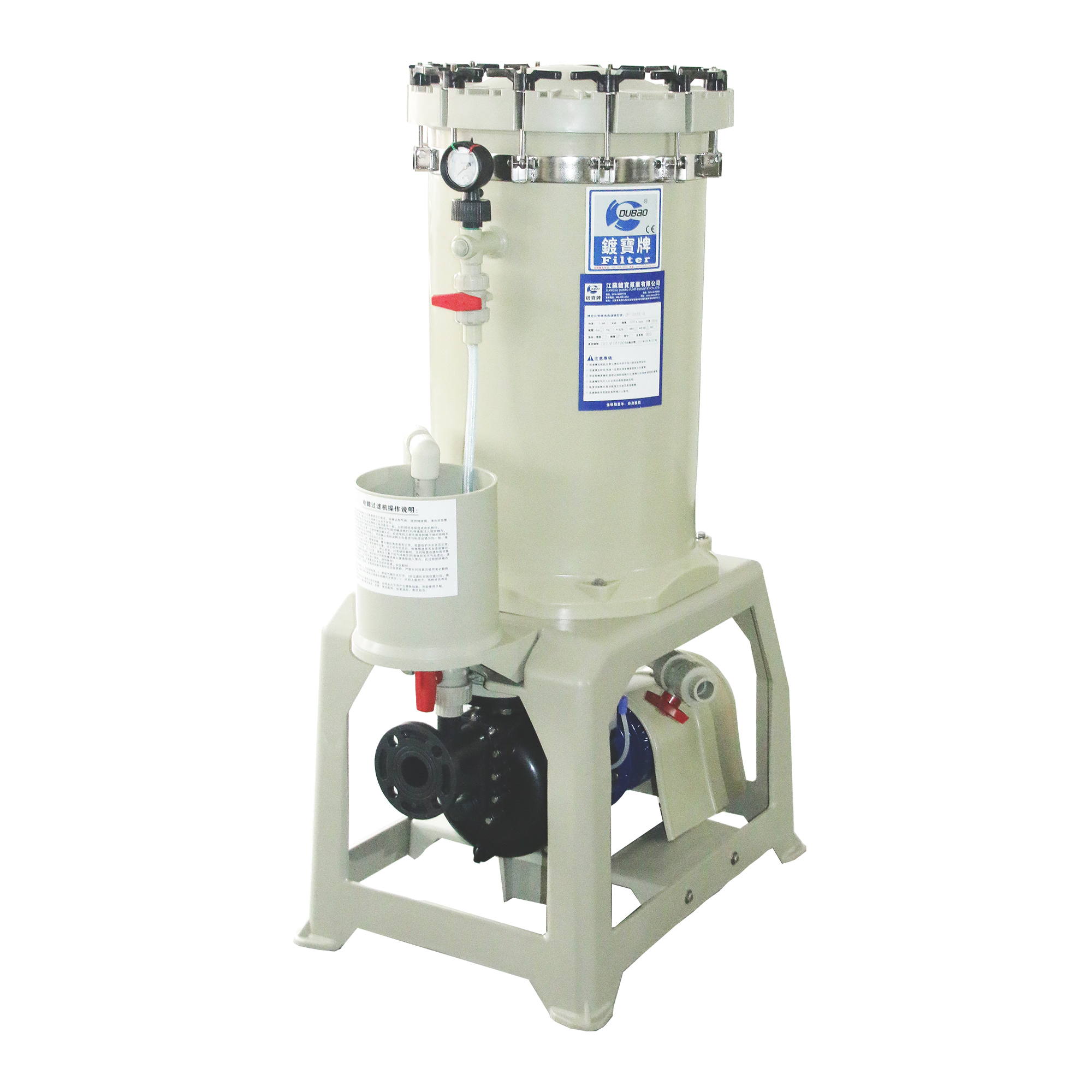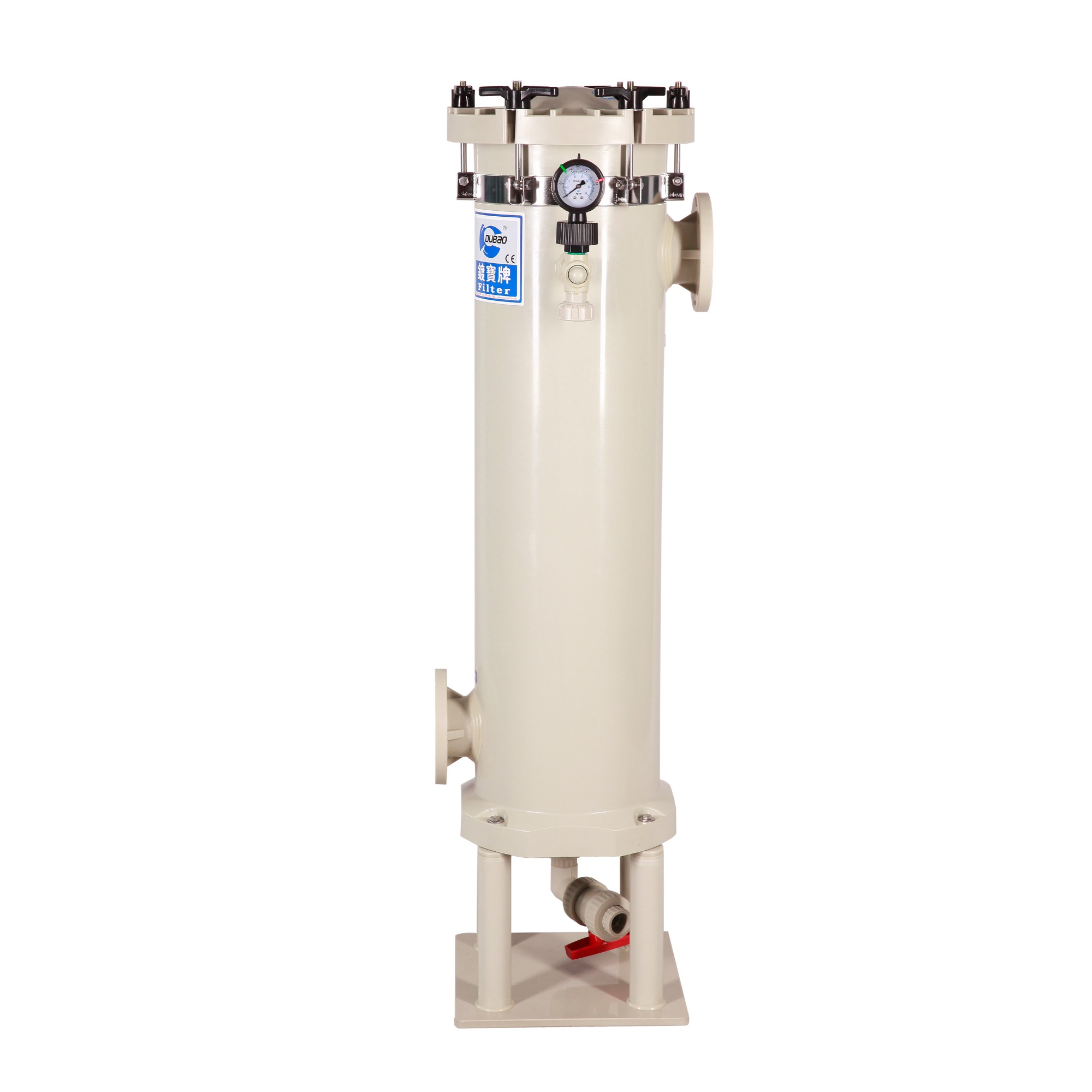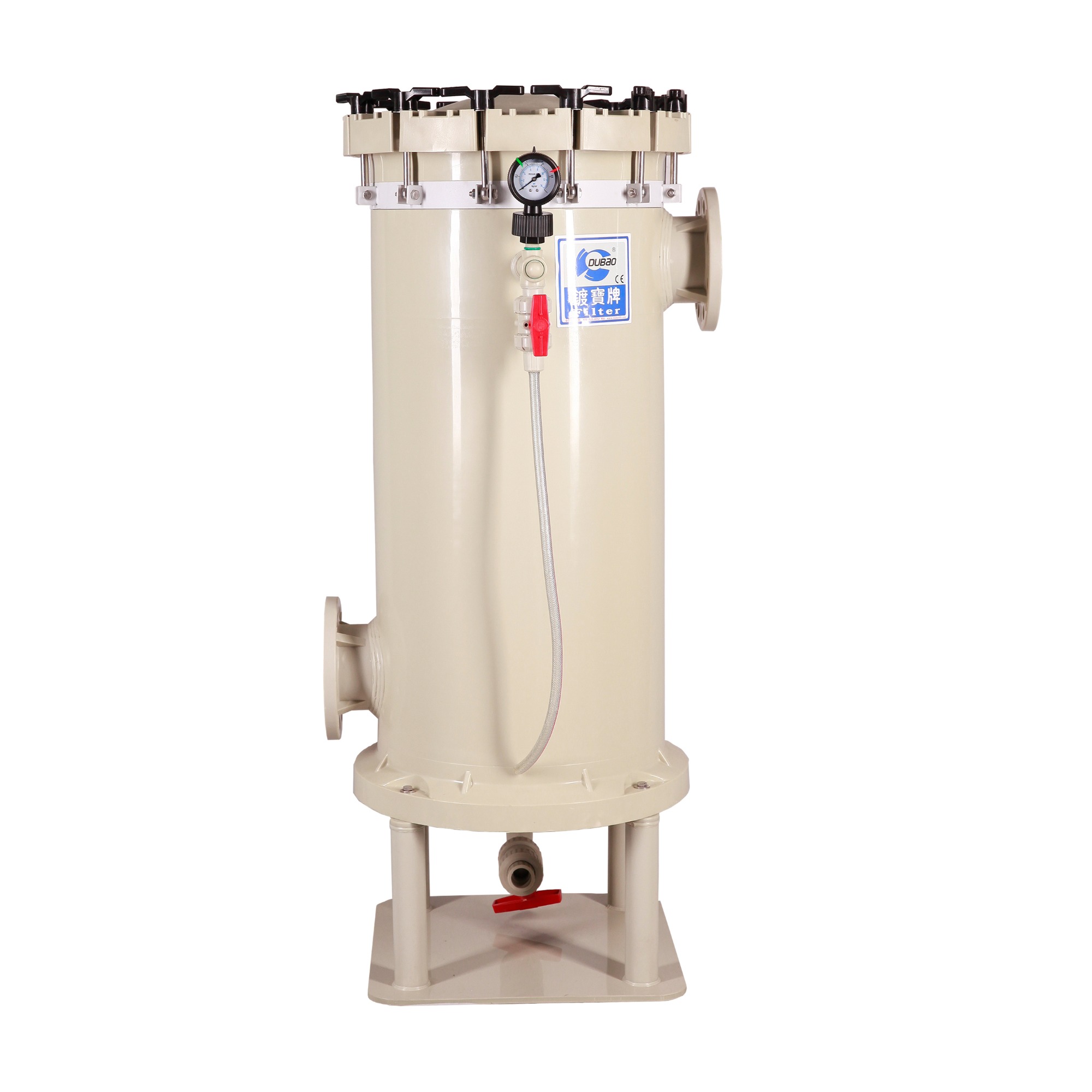
Medium-effect bag air filters are designed to remove airborne contaminants from the air in HVAC systems and industrial processes. These filters play an important role in maintaining indoor air quality and protecting sensitive equipment and processes from damage or contamination.
The medium-effect bag air filter works by forcing air through a series of progressively smaller fibers or mesh screens, which trap particles of dust, dirt, pollen, and other airborne contaminants. These filters are typically made from synthetic fibers or a combination of synthetic and natural fibers, which are electrostatically charged to attract and trap particles.
The benefits of medium-effect bag air filters include improved air quality, reduced dust and dirt accumulation, and increased equipment longevity. By removing airborne contaminants, these filters can help prevent allergies, respiratory problems, and other health issues caused by poor indoor air quality. In addition, by reducing the amount of dirt and dust in the air, medium-effect bag air filters can help extend the life of HVAC systems and other equipment, reducing maintenance costs and downtime.
Overall, medium-effect bag air filters play an essential role in maintaining indoor air quality and protecting equipment and processes from damage or contamination. Choosing the right filter for your application will depend on factors such as the level of airborne contaminants present, the airflow rate, and the specific requirements of your HVAC or industrial process.
What is a basket filter and how does it work?
How to improve the operation efficiency of chemical magnetic pump?
What is the maintenance method of plastic magnetic pump?
What is the working principle of plastic magnetic pump?