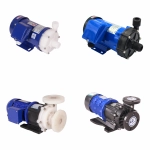
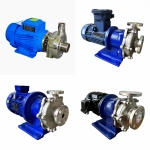
Improving the operational efficiency of chemical magnetic pumps can be achieved through a variety of measures, from optimizing operating conditions to regular maintenance, which can effectively improve the overall performance of the pump. Here are some specific suggestions:
1. Optimize operating conditions
Select the right pump type: Ensure that the specifications and design of the pump are suitable for the specific application requirements, including flow rate, head, medium properties, etc. Choosing the right pump type can avoid over - or under-operation.
Control flow and pressure: Adjust the flow and pressure of the pump according to the actual demand to avoid overload operation. The frequency converter can be used to precisely control the operating state of the pump to match the actual flow requirements.
Avoid cavitation: Ensure that the pump inlet conditions are good to avoid cavitation. Keep the suction pressure of the pump sufficient to avoid the formation of liquid bubbles inside the pump.
2. Perform regular maintenance
Regular inspection and replacement of worn parts: Check the wear of the magnetic drive system, seals, linings and other parts of the pump, and replace them in time to prevent performance degradation.
Clean the pump body: clean the pump body regularly to prevent sediment and impurities from affecting the pump performance. Especially when handling liquids that are thick or contain solid particles, they should be cleaned more frequently.
Check and calibrate the flow meter: Ensure that the flow meter is accurate for precise flow control. Inaccurate calibration can result in inefficient pump operation.
3. Optimize system design
Reduce pipe resistance: Optimize pipe design to reduce the resistance of elbows, valves, etc. to fluid flow. The use of straight pipe sections and reasonable layout can reduce the system resistance, thereby improving the efficiency of the pump.
Maintain the normal operating temperature of the pump: ensure that the pump operates within the design temperature range to avoid the impact of high or low temperature on the pump performance. For high temperature liquids, a cooling system can be used to maintain the pump's operating temperature.
4. Operate properly
Avoid dry operation: Ensure that there is enough liquid in the pump to avoid dry operation causing damage to the pump. Dry running can cause premature wear of pump components and reduce efficiency.
Smooth start and stop: Avoid frequent start and stop, use smooth start and stop procedures to reduce the impact and wear on the pump.
Avoid overload: Avoid exceeding the design parameters of the pump during operation, such as flow rate, head, etc. Overload can lead to reduced pump efficiency and shortened service life.
5. Use variable frequency drive
Adjust the pump speed: Using variable frequency drive (VFD) to adjust the pump speed, you can precisely control the flow and pressure according to the actual demand, improving the overall efficiency.
Reduce energy consumption: Variable frequency drive can adjust the running speed of the pump according to the actual load demand, reduce unnecessary energy consumption and improve energy efficiency.
6. Monitoring and data analysis
Real-time monitoring: installation of monitoring system, real-time monitoring of pump operating status, including flow, pressure, temperature, etc. Through data analysis, you can find the cause of performance degradation and take measures in time.
Periodic evaluation: Periodically evaluate the performance of the pump, analyze its operating efficiency and economy, identify potential problems and optimize.
7. Train operators
Training and education: Regular training of operators to ensure that they understand the operating specifications and maintenance requirements of the pump to avoid the deterioration of pump performance due to improper operation.
By implementing these measures, the operation efficiency of the chemical magnetic pump can be significantly improved, energy consumption and maintenance costs can be reduced, and the pump can operate stably and efficiently under various working conditions.