In electroplating process, pitting refers to the surface of small bumps and depressions, which affect the appearance quality and performance of electroplating parts. Pitting can occur for many reasons. Here are some possible causes:
1. The impurities in the electrolyte are too high.
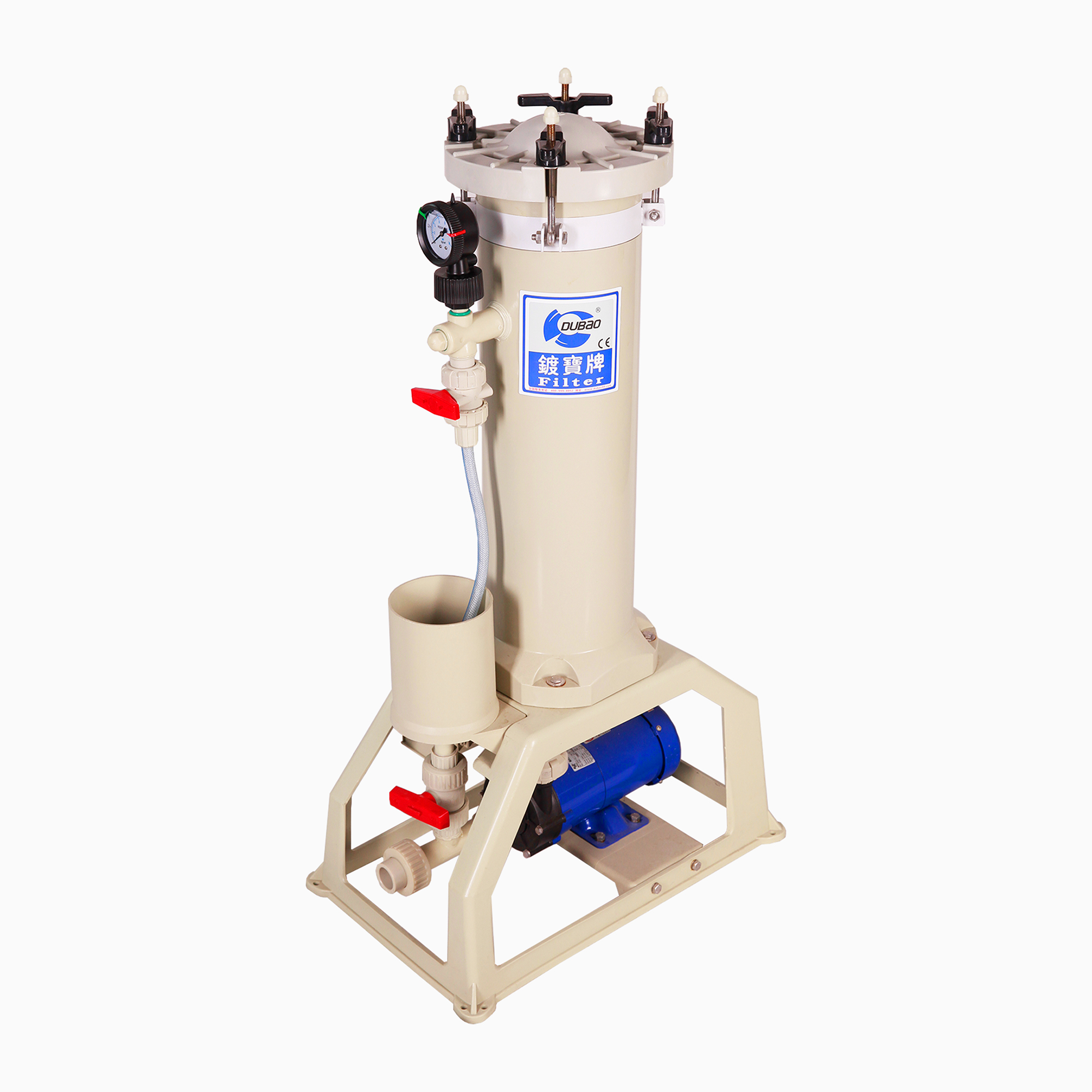
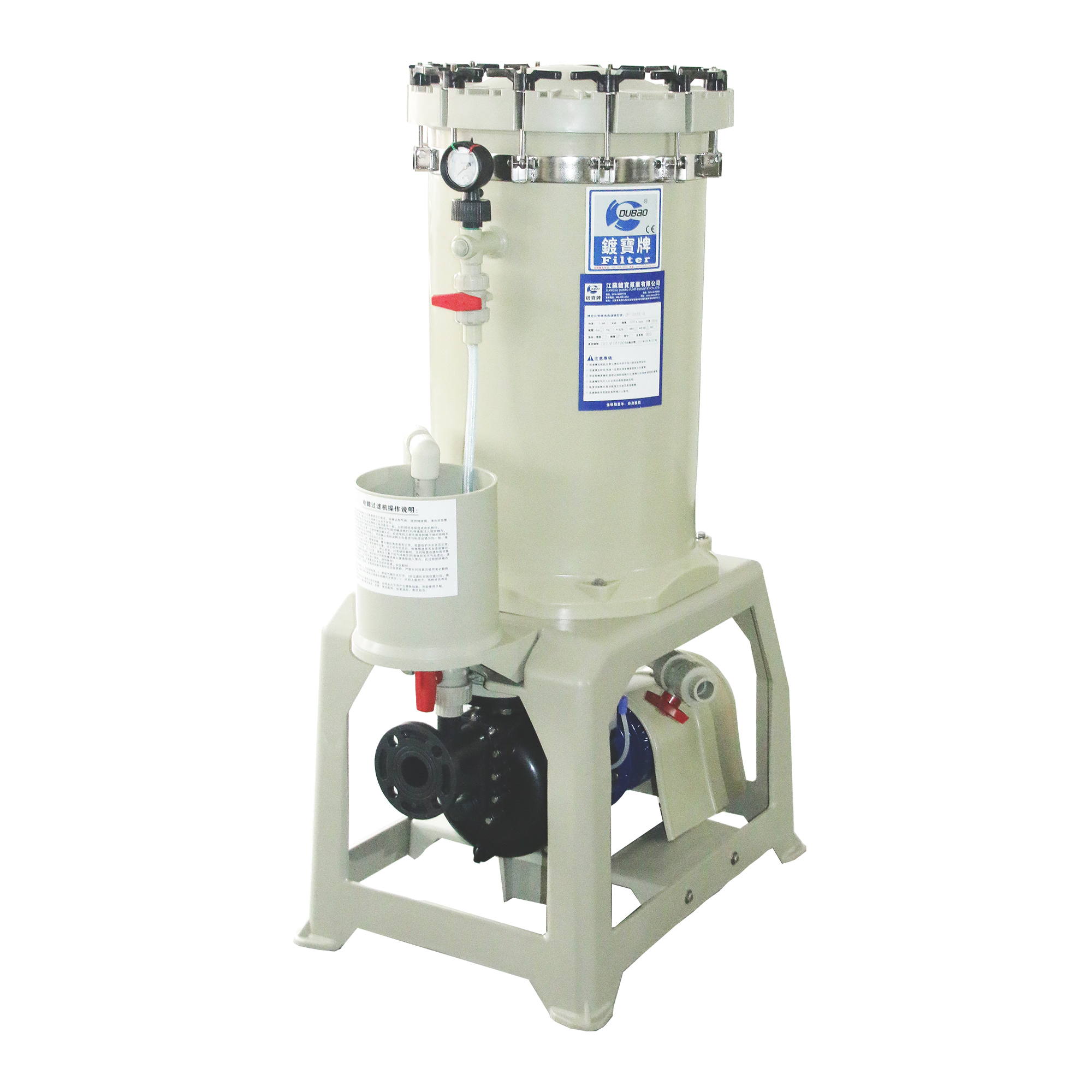
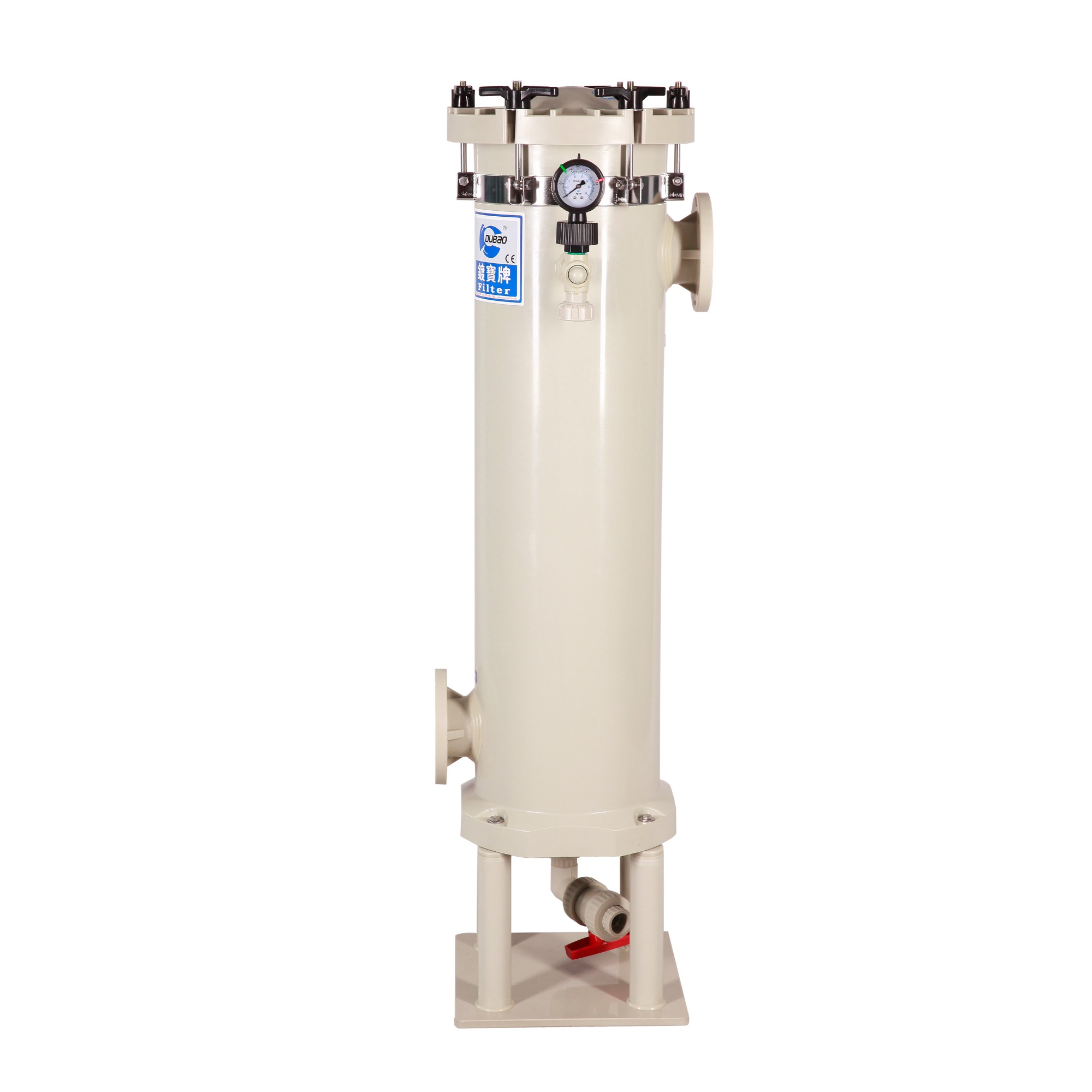
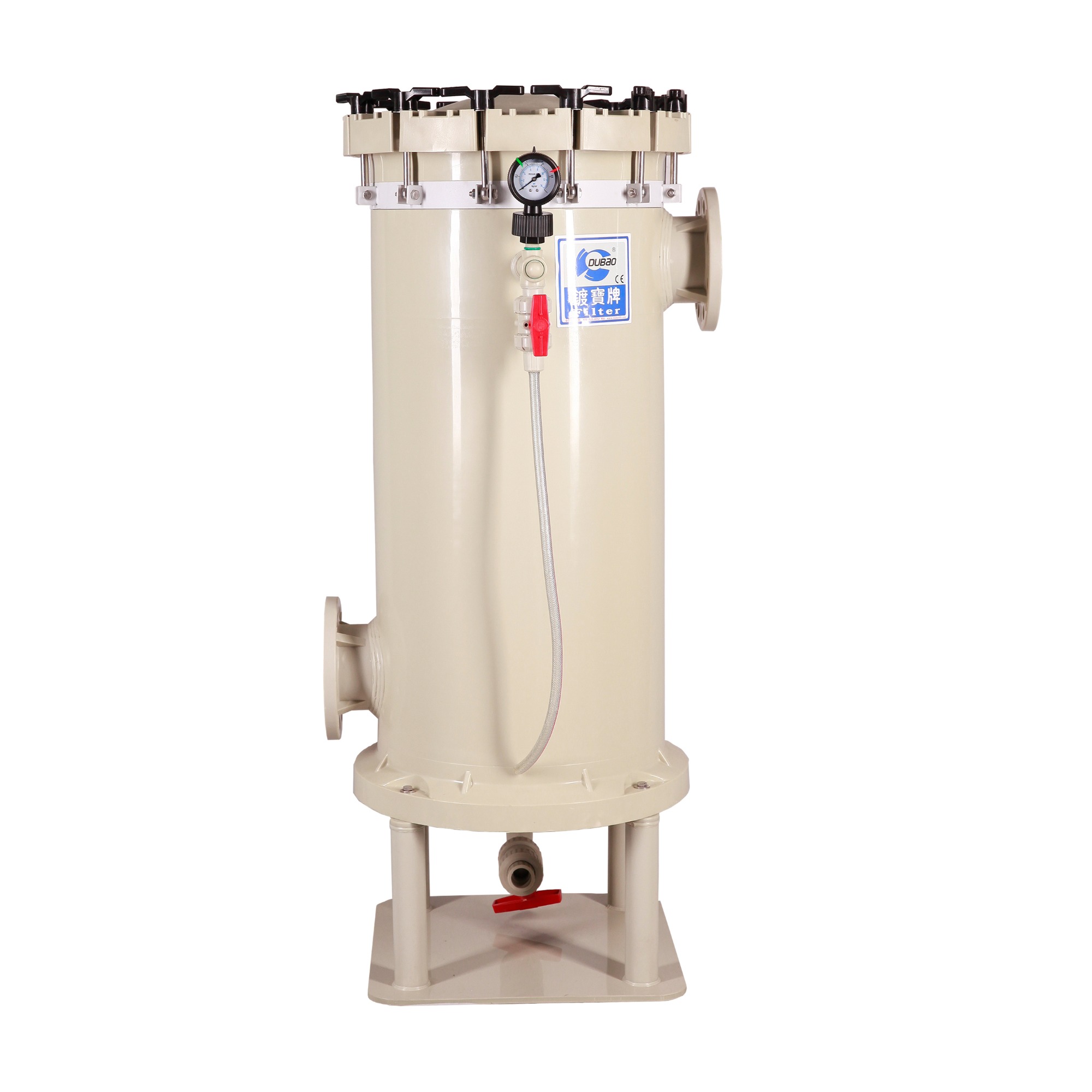
If the electrolyte contains too many impurities and impurity particles, it will cause the electrolyte to form small bubbles and particles on the electrode surface, thus forming pitting spots. At this point, the electrolyte needs to be filtered and purified.
2. Improper setting of plating process parameters.
The setting of plating process parameters includes current density, voltage, electrolyte temperature, plating time, etc. If these parameters are not set properly, pitting may be formed on the surface of electroplating parts. At this time, it is necessary to adjust and optimize the plating process parameters.
3. There is oil or impurities on the surface of electroplated parts.
If there is oil or other impurities on the surface of electroplating parts, it may affect the distribution and uniformity of electrolyte on the surface, resulting in the formation of pitting. At this point, the plating parts need to be cleaned and treated.
4. There are pores or defects on the surface of electroplated parts.
If there are pores, cracks or other defects on the surface of electroplated parts, it may cause the electrolyte to form pitted spots on the surface. At this point, electroplating parts need to be repaired and treated.
To sum up, the causes of pitting in electroplating process are various, which need to be analyzed and treated according to the specific situation. Generally speaking, pitting can be effectively reduced by optimizing electrolyte, adjusting process parameters, surface cleaning and patching.
What is a basket filter and how does it work?
How to improve the operation efficiency of chemical magnetic pump?
What is the maintenance method of plastic magnetic pump?
What is the working principle of plastic magnetic pump?