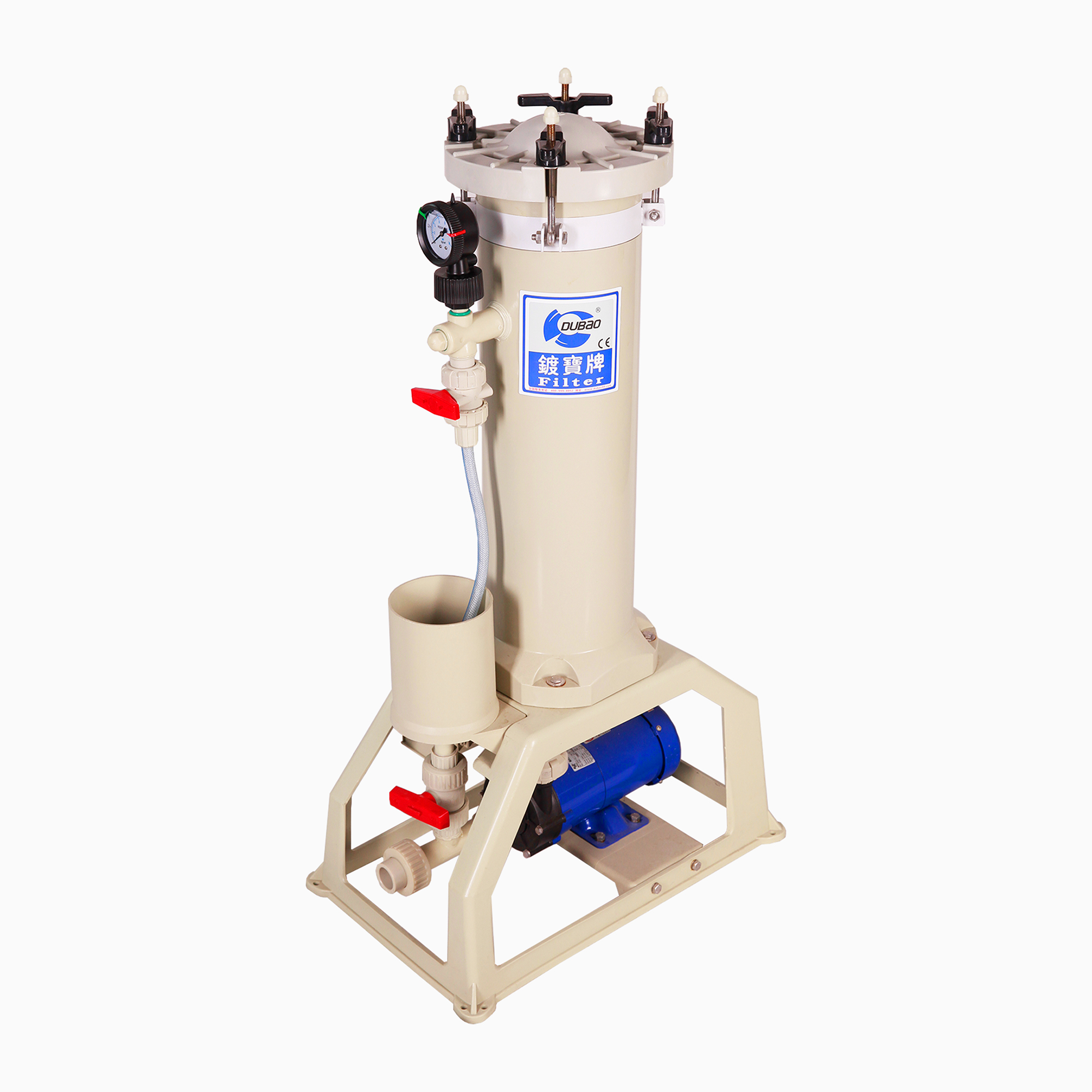
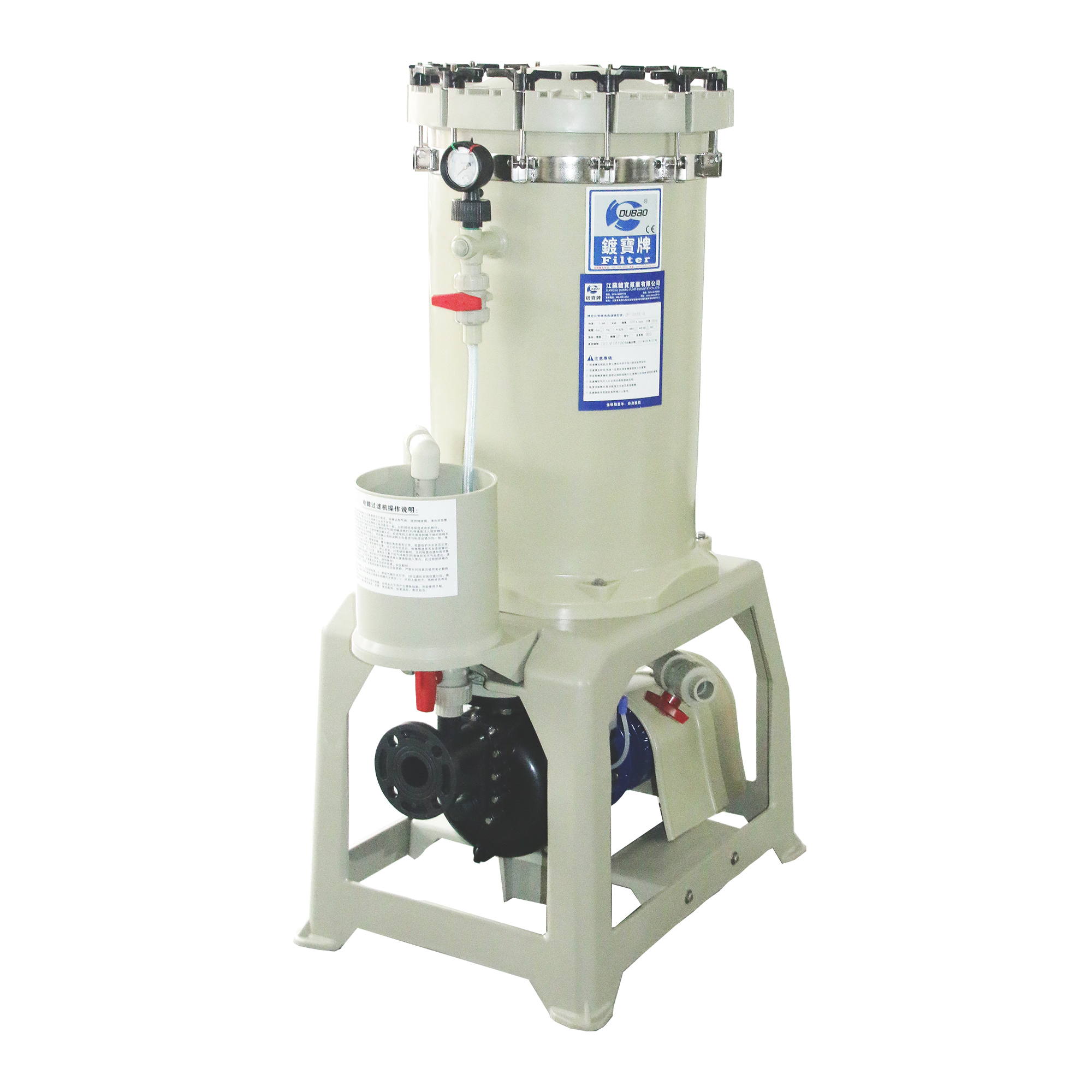
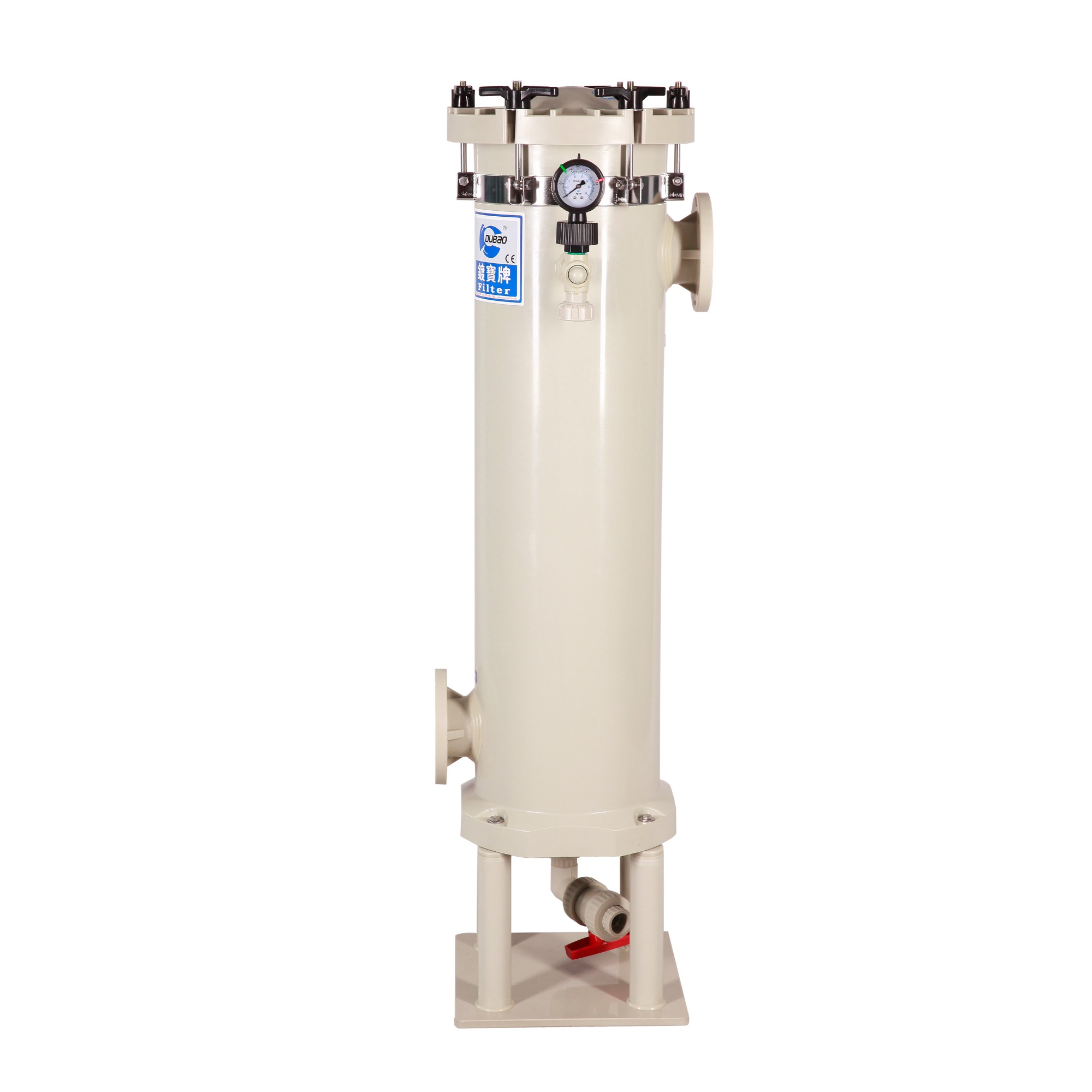
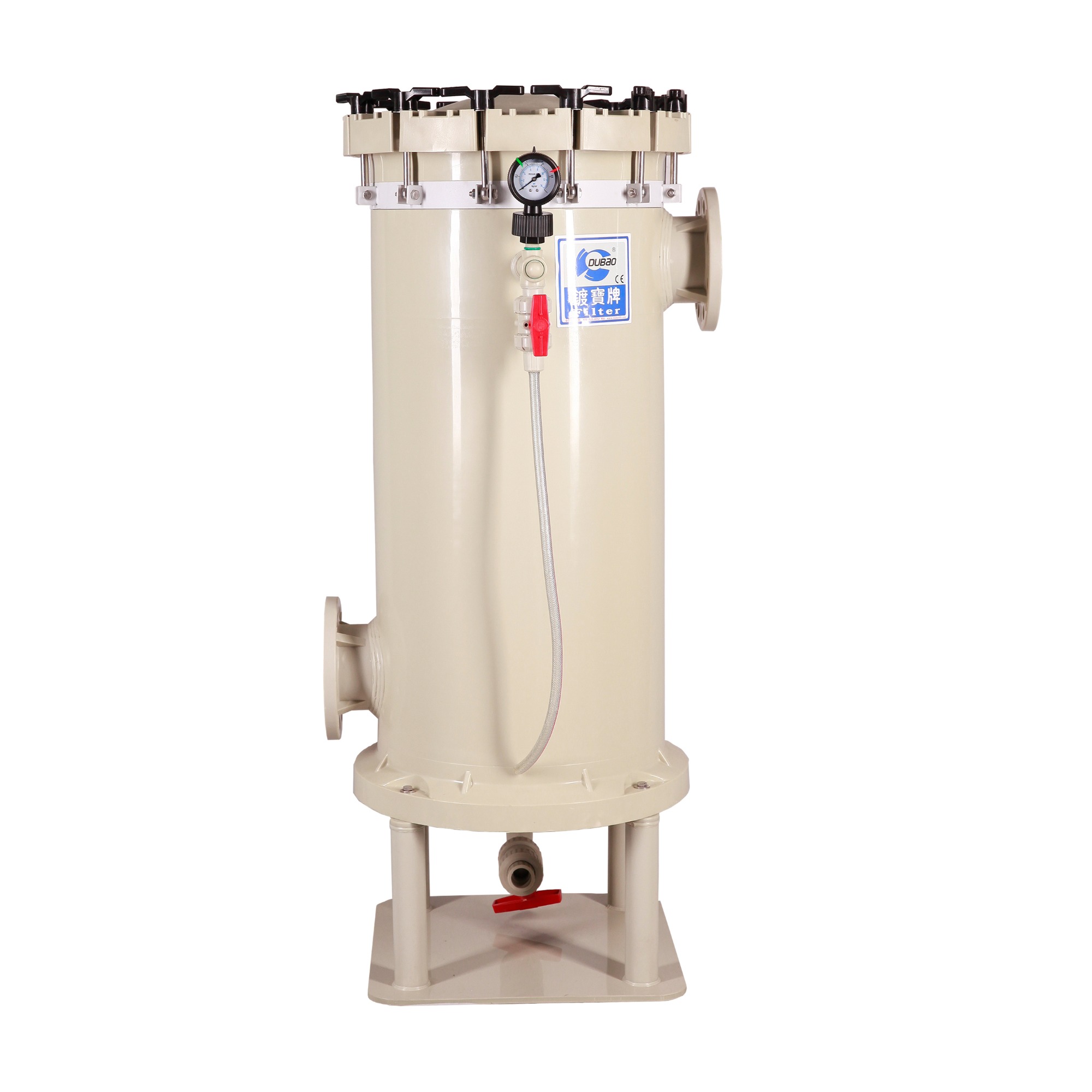
Electrolyte filter is a filter equipment specially designed for the treatment of electrolyte, its main purpose is to remove solid impurities, suspended matter and other impure matter in the electrolyte to ensure the stability of the electrolytic process and product quality. Compared with other filtration equipment, electrolyte filter has its unique characteristics and advantages in design and function. The following is a detailed comparison of electrolyte filters with other common filtration devices.
1. Uses and application fields
Electrolyte filter is mainly used in various electrolytic processes, including electroplating, electrolytic aluminum, electrolytic copper, electrolytic water hydrogen production. In these applications, the purity of the electrolyte is critical to process efficiency and product quality. The electrolyte filter can effectively remove solid impurities, metal oxides and other impure substances in the electrolyte, preventing them from causing damage to the electrode and electrolyzer.
In contrast, other filtration equipment such as water filters, oil filters and air filters are used for water treatment, oil purification and air purification, respectively. The design and selection of these devices are usually based on the characteristics of the processing medium and the requirements of the application environment.
2. Filtration principle and technology
Electrolyte filters usually adopt mechanical filtration, centrifugal separation or deep filtration methods. Mechanical filtration depends on the pore size of the filter material to trap particles; Centrifugal separation The separation of solid impurities from liquid by centrifugal force generated by rotation; Deep filtration uses the thickness and structure of the filter material to trap impurities. The choice of these methods depends on the nature of the electrolyte and the desired filtration accuracy.
Other filtration devices may use different technologies, such as:
Membrane filtration: The use of semi-permeable membranes to separate particles and dissolved substances, widely used in water treatment and pharmaceutical fields.
Activated carbon filtration: The use of activated carbon adsorption properties to remove organic matter and odor, often used in air purification and water treatment.
Mechanical grilles: mainly used for coarse filtration, such as the removal of large particles in sewage treatment plants.
3. Material selection
The material selection of the electrolyte filter is critical, taking into account the corrosive nature of the electrolyte. Commonly used materials include stainless steel, corrosion resistant alloys, plastics (such as polyvinyl chloride, polypropylene), etc. These materials have excellent corrosion resistance and can work in high concentrations of acid, alkali or salt solutions for long periods of time.
In contrast, the material selection of other filtration equipment is more diversified. For example, a water filter may use a stainless steel, plastic or ceramic filter element; Oil filters may use metal mesh, paper or synthetic fiber filters; Air filter is commonly used HEPA filter, activated carbon filter and so on.
4. Maintenance and replacement cycle
The maintenance and replacement cycle of the electrolyte filter is related to the pollution level, flow rate and operating conditions of the electrolyte. Usually, regular inspection of the filter's pressure difference, flow changes and other indicators is an important basis for judging whether the filter element or filter element needs to be replaced. In general, the replacement cycle of the filter element may range from several months to one year, depending on the actual use and manufacturer recommendations.
The maintenance and replacement cycle of other filtration equipment depends on the specific application. For example, a domestic water filter cartridge may need to be replaced every 6 months, while an industrial water filter may have a longer life cycle. The frequency of replacement of air filters depends on the air quality of the environment in which they are used, while oil filters are usually replaced with each equipment maintenance.
5. Design and operating conditions
Electrolyte filters are often designed to take into account the specific properties of the electrolyte, including its conductivity, corrosiveness, and temperature range. The structural design of the filter needs to ensure stable operation under harsh conditions such as high temperature, high acid and alkali. In addition, the electrolyte filter also needs to have the ability to resist electrolyte pollution to ensure long-term stability and efficiency.
Other filtration equipment also has its own design considerations. Water filters need to consider the hardness of the treated water, turbidity and other parameters; The air filter needs to select the appropriate filtration level according to the size and concentration of particles; The oil filter should be designed for the viscosity, temperature and other characteristics of the oil.
6. Cost and economics
The cost of electrolyte filters is usually higher, mainly due to the corrosion-resistant materials used and the high-precision manufacturing process. However, given its key role in the electrolysis process, this investment is necessary and economical, especially in terms of improving product quality and reducing equipment wear and tear.
In contrast, the cost of other filtration equipment varies greatly depending on the material, technology and application area. For example, simple mechanical grates may cost less, while high-performance membrane filtration systems may be relatively expensive.
Sum up
Electrolyte filter as a special equipment, compared with other filtration equipment in use, technology, materials, maintenance and other aspects have obvious differences. Its key role in the electrolysis process makes it an indispensable device. Although other filtration devices have their own unique advantages in handling different media and application scenarios, electrolyte filters are undoubtedly the most effective choice in the specific field of handling electrolytes. With the right selection and maintenance, electrolyte filters can significantly improve the efficiency of the electrolytic process and product quality, providing protection for the production of related industries.