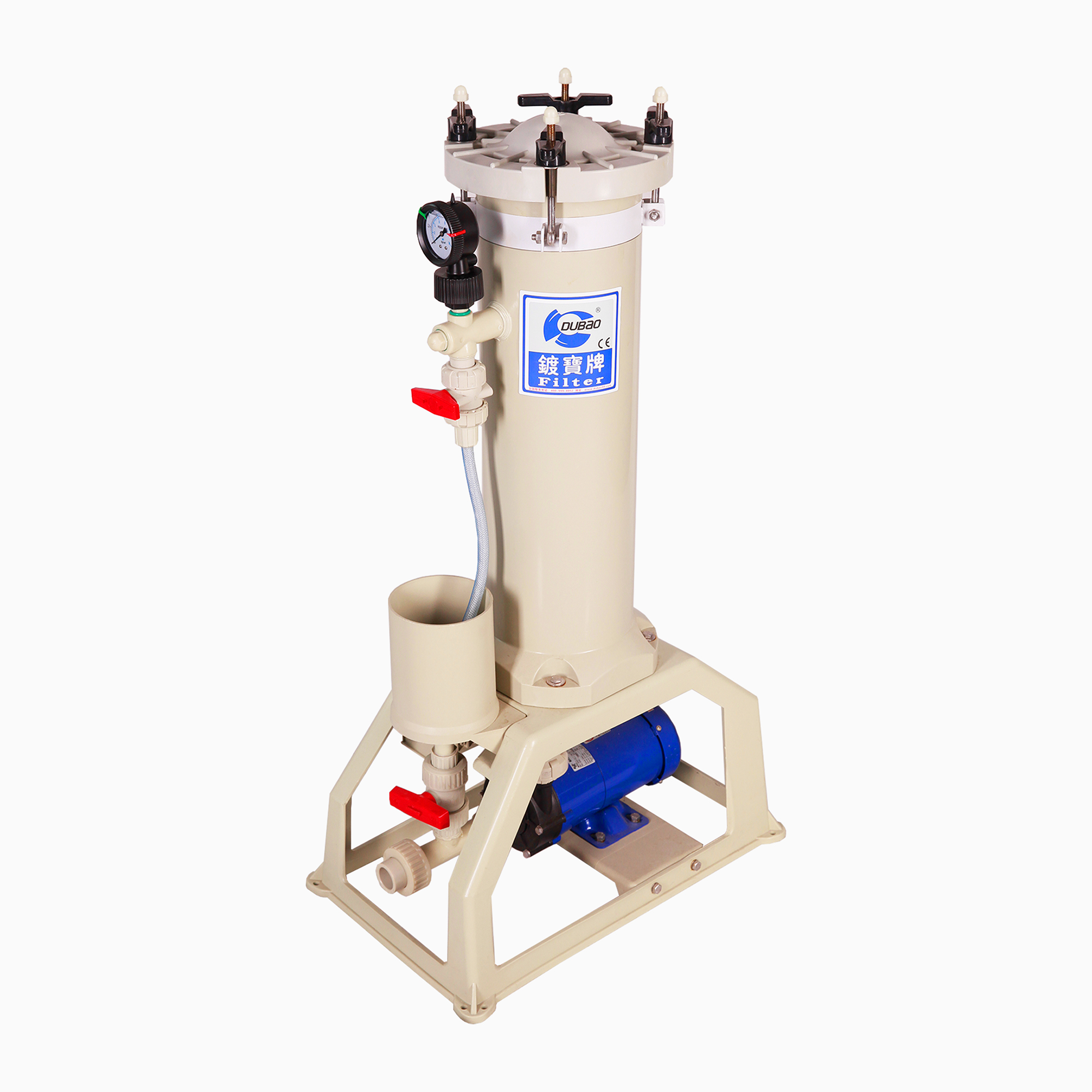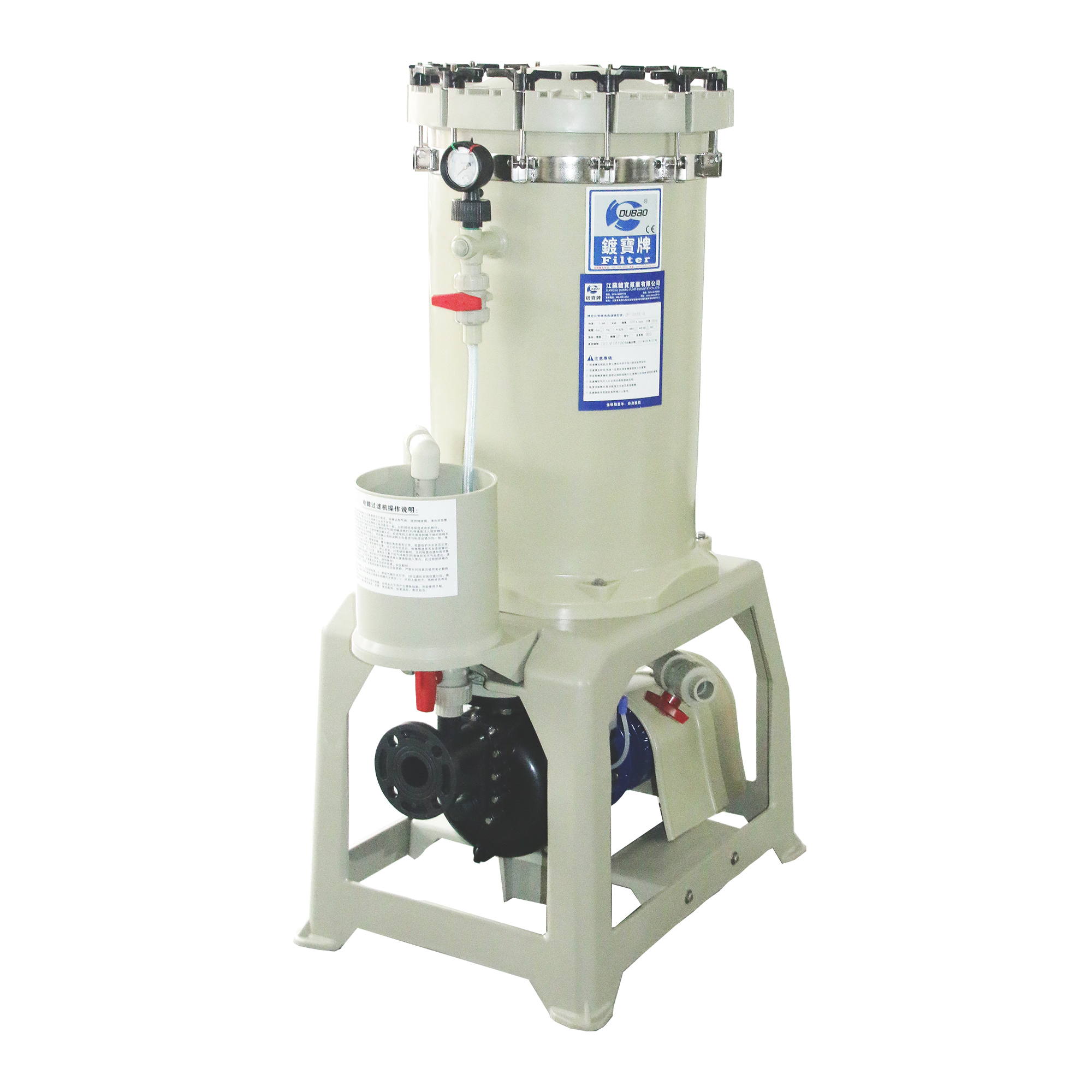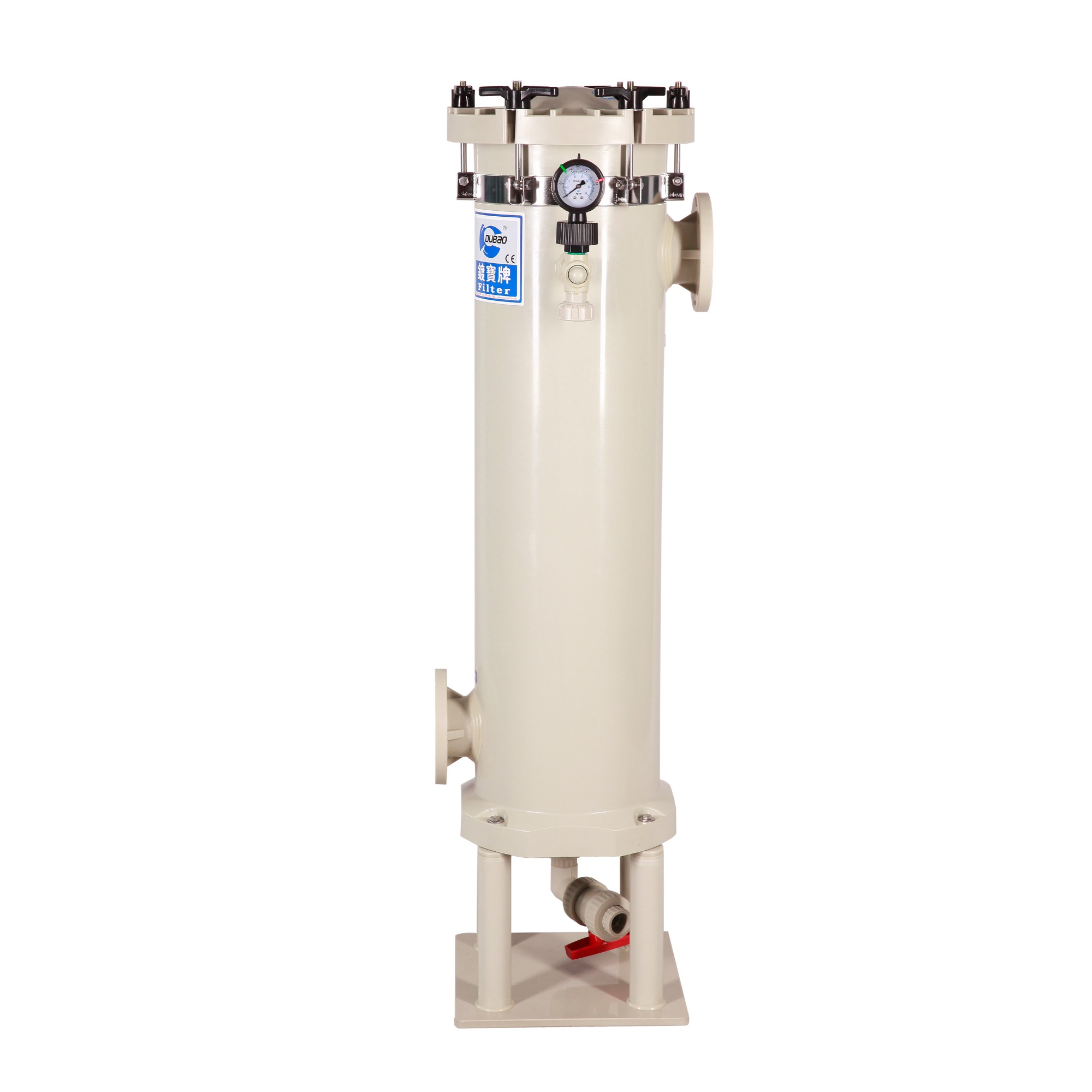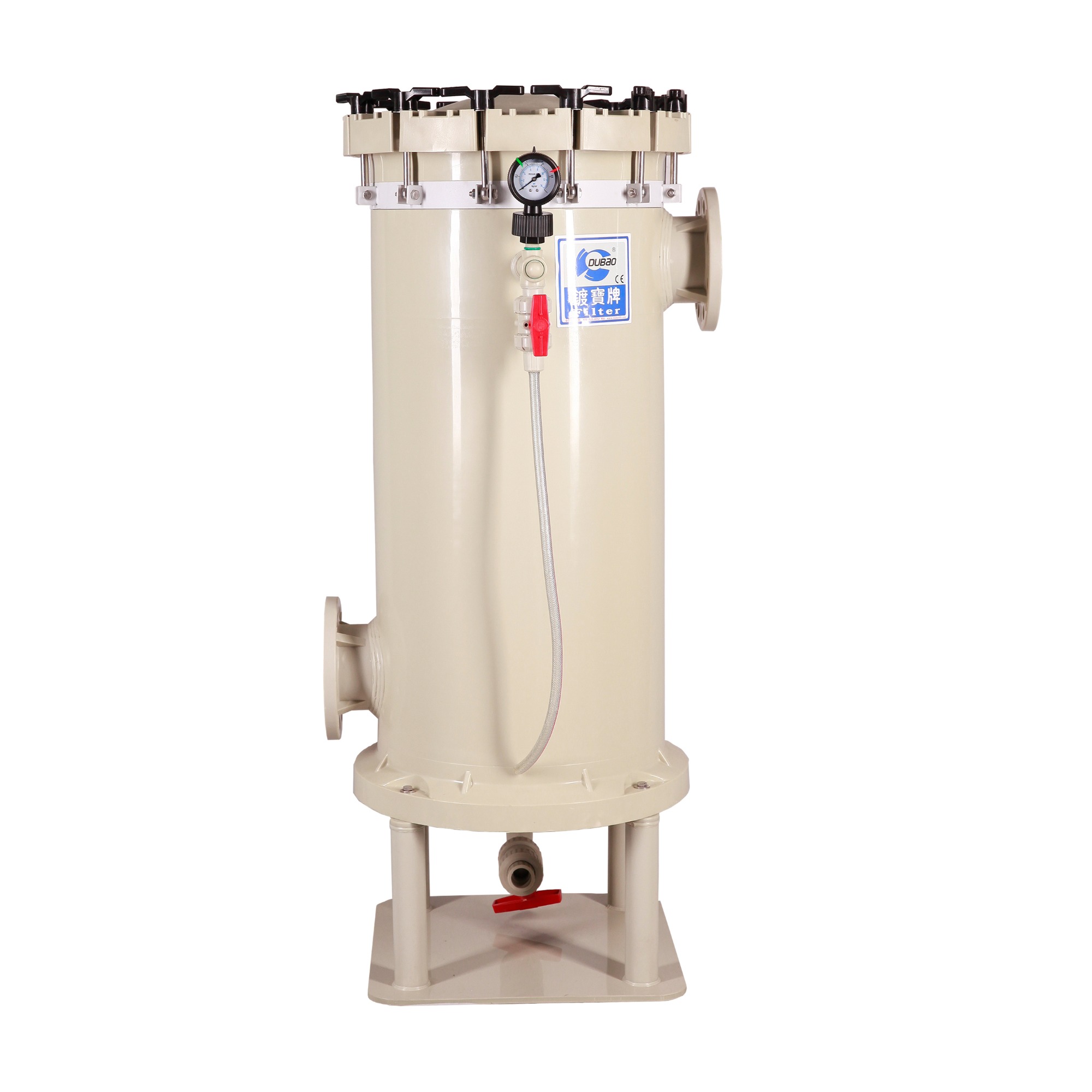
The production process of plastic filters usually includes the following steps:
Raw material preparation: According to the product requirements, select the appropriate plastic raw materials, usually polypropylene, polyvinyl chloride, etc., and then process them into pellets or sheets.
Injection molding: The processed plastic particles or sheet materials are heated and melted by an injection molding machine to make the shape of a plastic filter.
Cooling treatment: After injection molding, the finished product needs to be cooled to make it solidified to avoid deformation or damage.
Processing: After forming and curing, the plastic filter needs to be processed, including cutting, grinding, drilling, etc., to make it meet the product requirements.
Detection quality: After the processing is completed, the quality of the plastic filter needs to be tested, including appearance, size, filtration effect, etc., to ensure that the product meets the requirements.
Packaging and shipping: The plastic filters that have been tested and qualified are packaged and shipped according to customer requirements.
The above is a common plastic filter production process, different manufacturers or products may vary. In addition, the production process needs to strictly comply with the relevant safety regulations and quality standards to ensure that the production of products that meet the requirements.