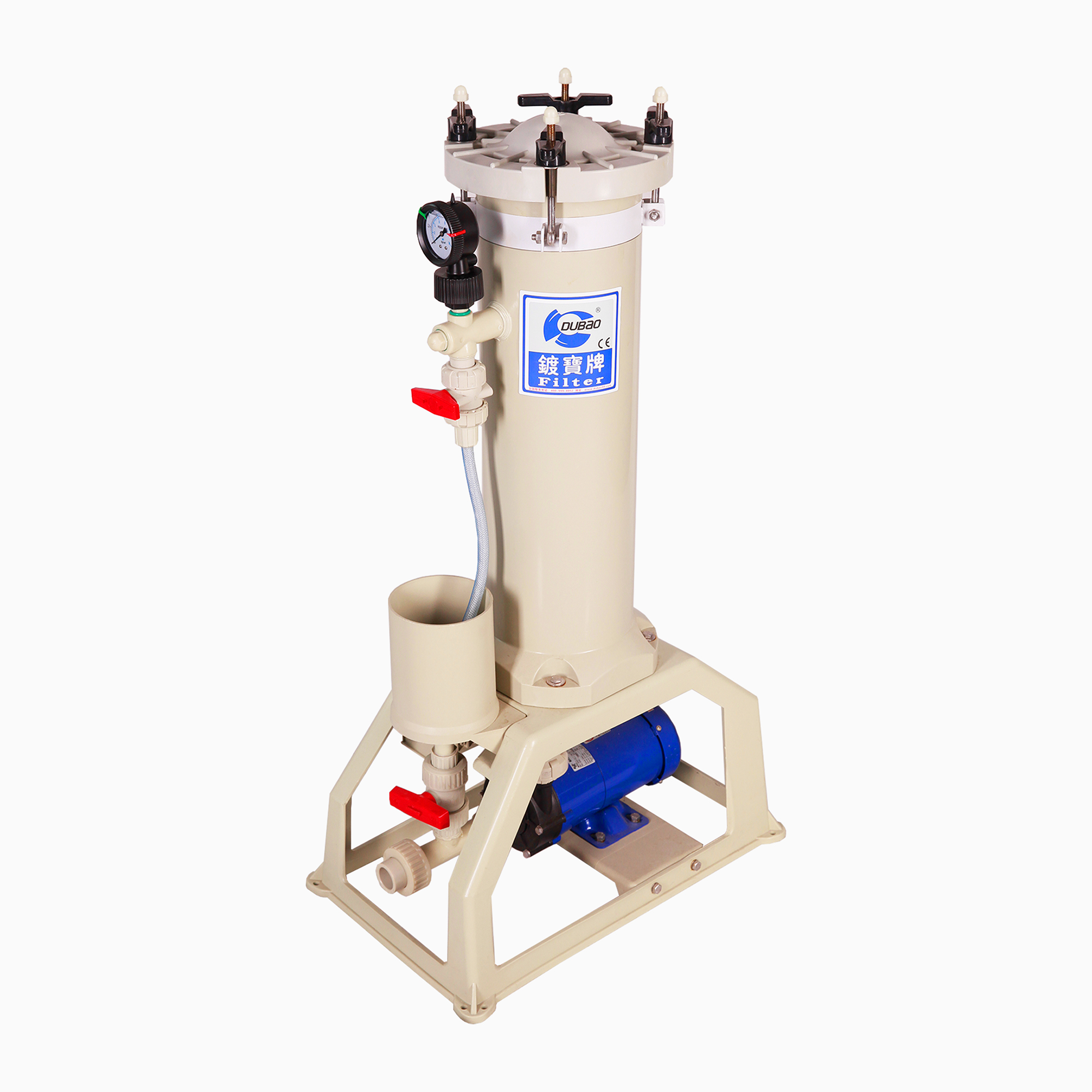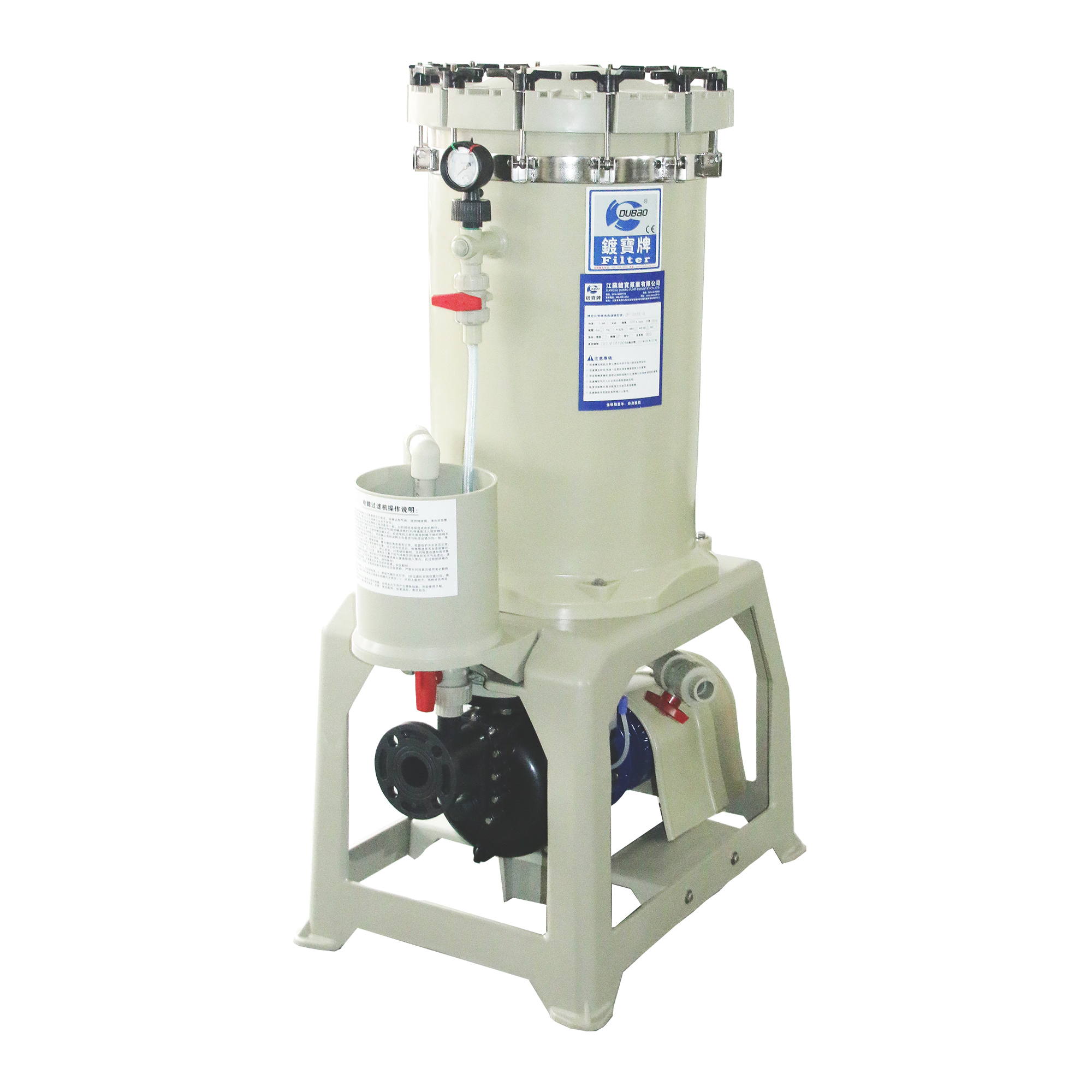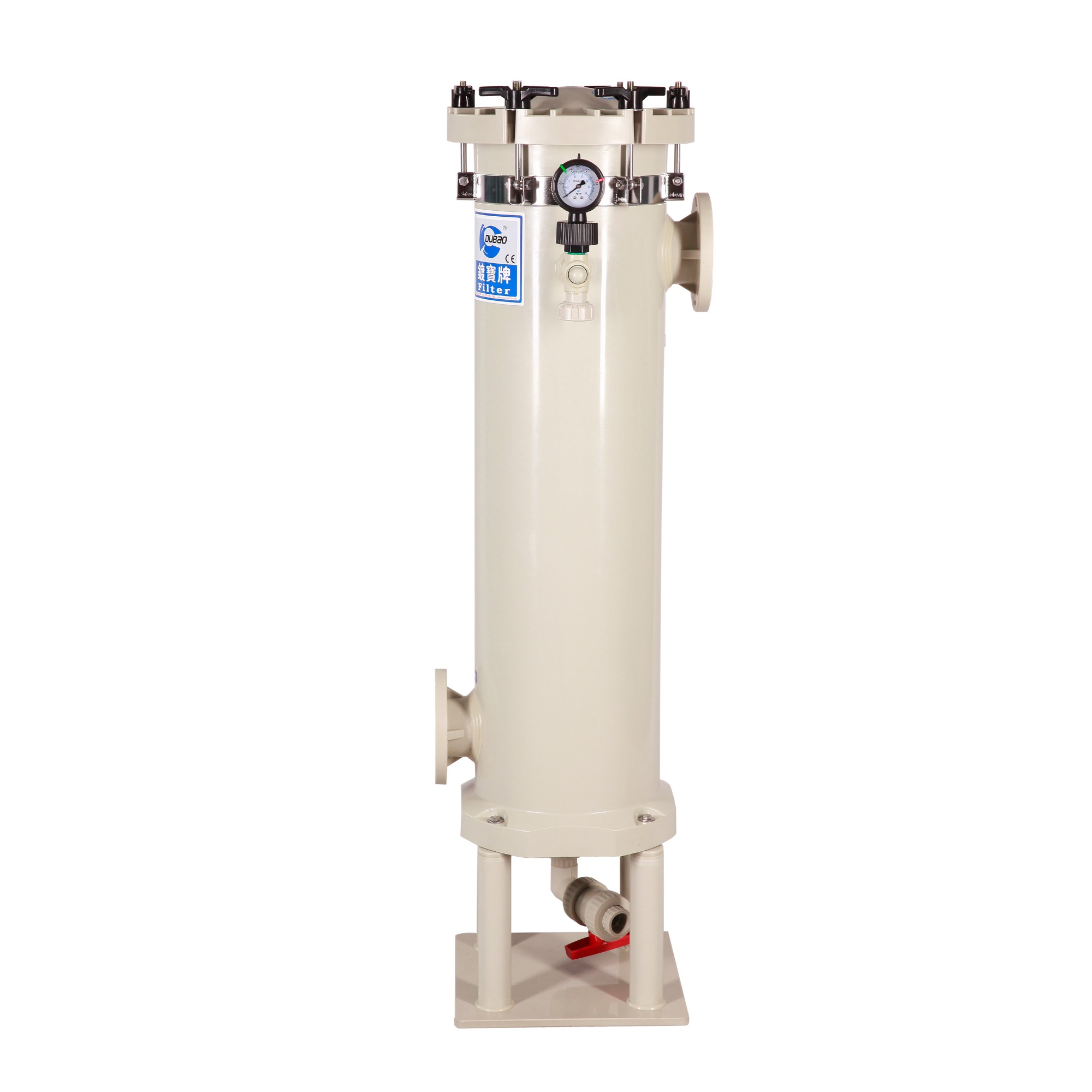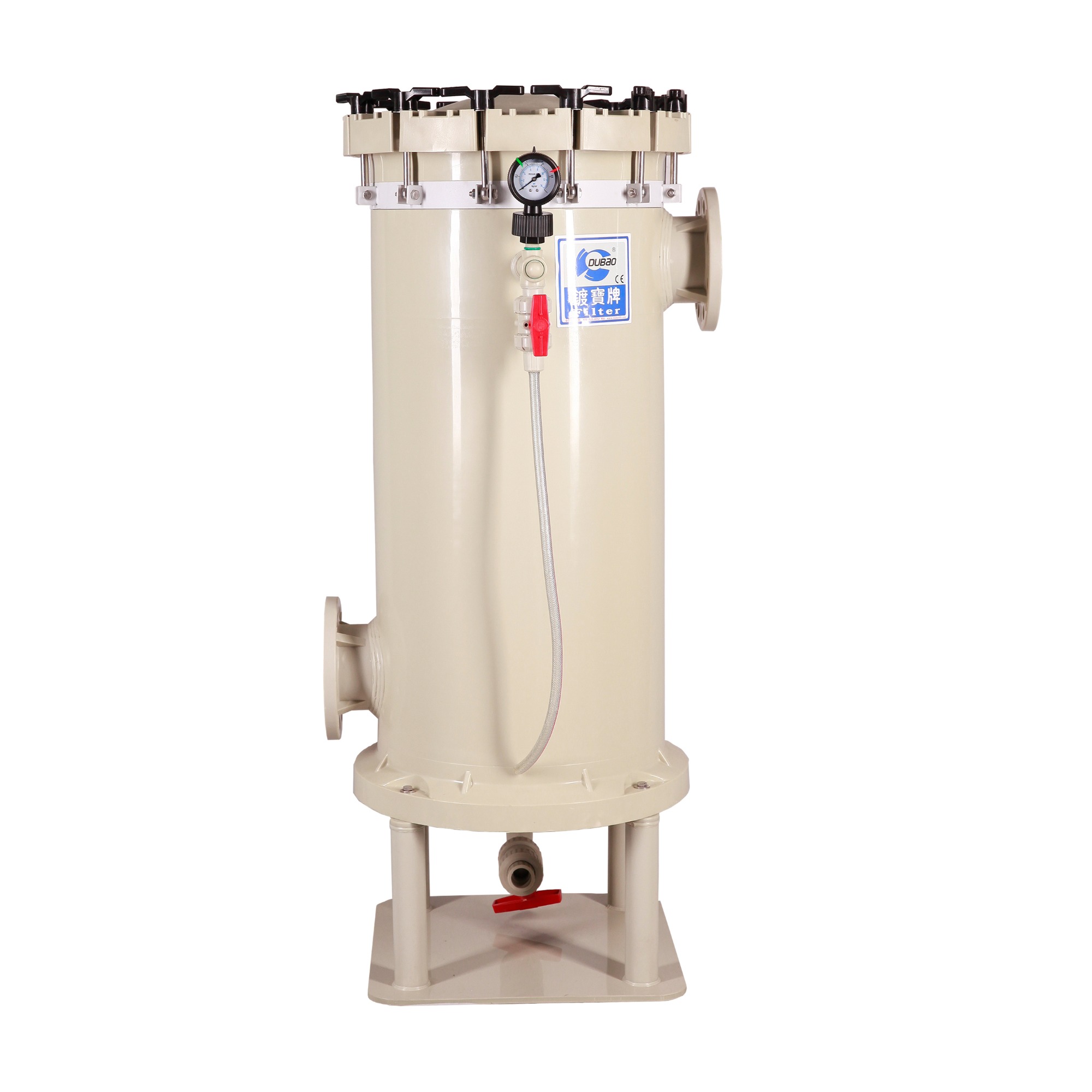
The working principle of the plastic filter is to remove impurities, particles and pollutants in the fluid through the screening, adsorption or other physical or chemical action of the filter element, so as to achieve the purpose of filtration. Here are some common ways it works:
Screening: The common screen filter element in plastic filters filters out large particles, impurities and pollutants through its mesh size. This filter is suitable for filtering larger particles, such as sediment, rust and so on.
Adsorption: The adsorbent filter element in the plastic filter can remove some tiny particles and dissolved substances, such as color, odor, chlorine, etc., through the principle of electrostatic adsorption, physical adsorption and chemical adsorption.
Chemical action: The chemical filter element in the plastic filter can remove some specific polluting substances, such as heavy metal ions and fluoride, through adsorption, chemical reaction, ion exchange and other principles.
Regardless of the filter element and working principle used, the purpose of plastic filters is to improve the purity and cleanliness of the fluid to ensure that the fluid will not have a negative impact on equipment, products or human health during subsequent use.