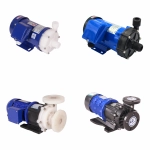
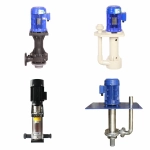
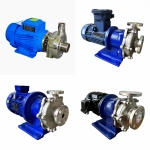
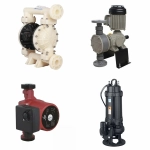
It can be straightforward to obtain a pump with all the technical jargon when sourcing a pump. NPSH swamped suction, stress loss ... not always expressions everyone utilizes daily. While a few of the terms might be primary "designers' language," various other times are far more certain to pumps, and also, if you do not live as well as take a breath pumps after that, you might not surprisingly obtain perplexed.
When running a pump or getting, we direct you with 27 terms you're sure to come throughout. Conserve this web page to your favorites, and stay clear of being frustrated by pump terminology once again ...
Back Take out
The electric motor can be removed without detaching the pump from the pipework for simplicity of upkeep.
Most OK Effectiveness Factor (BEP).
The factor on a pump's contour at which head and circulation generate the best result for the least amount of power. A pump can run anywhere on its contour; it does not suggest it is reliable.
Learn more about reviewing a pump contour and locating the BEP right here.
Cavitation.
The procedure where a pumped fluid drops listed below its vapor stress, creating bubbles or dental caries to develop. These tooth cavities can fall as they travel through the pump triggering sound, damage to the pump's internals, and loss of performance. When NPSHa < NPSHr, it is activated.
Centrifugal.
One of the most typical sort of pump styles. A centrifugal pump utilizes several impellers which connect to and also turn with the shaft, moving the kinetic energy of the electric motor to the fluid, which then relocates the liquid via the pump to the discharge factor.
Learn more concerning centrifugal pumps right here.
Close Coupled.
Where the pump head, as well as the electric motor, get on the same shaft. Close paired pumps take advantage of a portable, affordable style but are much less effective for sturdy, continual usage as there is even more stress placed on the standard bearings, and the dimension of the electric motor is typically restricted.
Dry Running.
When a pump is run without liquid, this can get too hot, damage, and also cavitation to inner components such as impellers, casing, bearings, and seals.
End Suction.
The suction (inlet) of the pump goes to one end, and the discharge (electrical outlet) goes to the top of the case instead of being in line with each other.
Swamped Suction.
The fluid resource is held over the pump, allowing the suction chamber to be continually loaded with gravity and stopping air access. This setup implies that the pump is constantly primed as long as the liquid resource stays appropriately.
Circulation Price.
The dimension of the fluid quantity capability of a pump, or in nonprofessional's terms, just how rapidly the liquid is pumped. This is usually gauged in liters per min (l/min) or meters cubed an hr (m ³ h).
Rubbing Loss.
The complete head losses as the fluid circulations from suction to release. Anything presented within a liquid's course will certainly trigger it to shed power, such as bends, shutoffs, or pipework. The even thick the flu, the quicker it will shed power, and the more energy it will certainly call for to maintain relocating.
Review just how to determine a system's stress loss right here.
Head.
The quantity of power kept in the liquid because of the stress put on it is gauged as the length/height of the fluid, typically in meters.
Impeller.
The pump part affixes to the turning shaft and transfers kinetic energy to the liquid. The impeller size influences the circulation and generated head and can be cut to fit. Open-up impellers allow the handling of soft fragments, shut impellers are for high performance and unpredictable liquids, vortex impellers can manage fibrous solids and particles, and cutter impellers break down large solids.
Inline.
Where the suction (inlet) and discharge (electrical outlet) of the pump are straight lines, as opposed to a modification of pipe instructions like an end suction.
Long Coupled.
Where the pump, as well as electric motor, are placed by themselves shafts, which are divided by a combining. Lengthy paired pumps are typically much more durable and matched to continual usage, as the different bearings share the stress of the procedure. The room from the pump head safeguards the electric motor from sealing leakages.
Magnetic Drive/ Combining.
The electric motor is combined with the thump, not through a mechanical shaft but a magnet. The seal-less layout of magnetic drive pumps lowers the adjustment of leaks, making it perfect for handling aggressive liquids.
Multistage.
Where a centrifugal pump has two or even more impellers instead of the one impeller of a solitary phase pump, multistage pumps have greater stress capacities than solitary phase centrifugal pumps.
Web Favorable Suction Head (NPSH).
NPSHr is the minimal quantity of inlet stress called to stop cavitation, whereas NPSHa is just how much the system supplies. If NPSHa does not satisfy NPSHr, then NPSHr can be decreased by minimizing the rate of the pump, elevating the liquid degree nearer the pump, or running the pump near to its Ideal Effectiveness Factor.
Favorable Variation.
A comprehensive team of pumps composed of lots of private functioning concepts. Favorable variation pumps are categorized by a procedure that relocates liquid by capturing a set quantity, typically in a tooth cavity, and compels that entrapped liquid right into the discharge pipeline.
Find out more regarding favorable variation pumps right here.
Self-Priming.
A pump positioned over or in line with liquid resources can leave the air within the suction line and produce a vacuum cleaner to pull in the fluid. Many favorable variation pumps are typically self-priming, whereas centrifugal pumps generally call for an extra priming pump fitted.
Shear.
Tension or pressure is put on the liquid by the pump's procedure. Shear delicate tools transform in framework or thickness when shear is used, such as lotions, which obtain thicker, or honey, which gets thinner. These liquids ought to be taken care of by favorable variation pumps that use reduced shear to maintain them in as tact as feasible, as opposed to centrifugal pumps, which use even more shear.
Solitary Phase.
A centrifugal pump has just one impeller, as opposed to 2 or more like a multistage pump. Solitary phase centrifugal pumps have more excellent circulation and reduced stress than multistage pumps.
Split Case.
Where the dual suction impeller or two solitary suction impellers of a centrifugal pump are sustained in between bearings, splitting the pump instance right into two different chambers, split casing pumps can reduce more excellent circulation prices than various other centrifugal pumps.
Static/Discharge Head.
When the fluid is fixed, the head versus the pump should function. It is the elevation distinction between the pump and the discharge factor, and it ought to be kept in mind at its optimum.
Suction Head.
The distinction in elevation in between the liquid and inlet of the pump, when the resource is above the pump. When the liquid in the container is at its greatest, this must be kept in mind.
Suction Lift.
The distinction in elevation between the liquid and inlet of the pump, when the resource is listed below the pump. When the liquid in the container is at its most affordable, this ought to be kept in mind. This is often still referred to as Suction Head.
Complete Dynamic Head.
The amount of fixed head, suction lift as well as rubbing loss. It is the system resistance that a pump has to get rid of, i.e., what authority it requires to operate to relocate the liquid to release.
Thickness.
The density of a liquid and its capacity to move is determined in Centistokes (CST) or Centipoise (cP). Some liquids' thickness can alter depending on temperature (butter obtains thinner as it thaws) or pressure (lotion obtains thicker as it's whipped!). The majority of pumps have an optimum thickness they deal with effectively.
Check out why thickness is so vital to the pump option right here.
There you have it ... 27 terms must obtain you via the essentials of sourcing a pump. If there are any terms you still do not recognize, our technical sales designers will undoubtedly be more than delighted to recommend them.
.
While some of the terms might be primary "designers' language," various other times are a lot extra sure to pump, and if you do not live and take a breath pumps after that, you can naturally obtain puzzled.
These dental caries can break down as they pass with the pump creating sound, damaging the pump's internals, and loss of effectiveness. The component of the pump affixes to the revolving shaft and transfers kinetic power to the liquid. These liquids must be dealt with by favorable variation pumps that use reduced shear to maintain them as tact as feasible, instead of centrifugal pumps that use even more shear.
The distinction in elevation between the liquid and inlet of the pump, when the resource is listed below the pump.