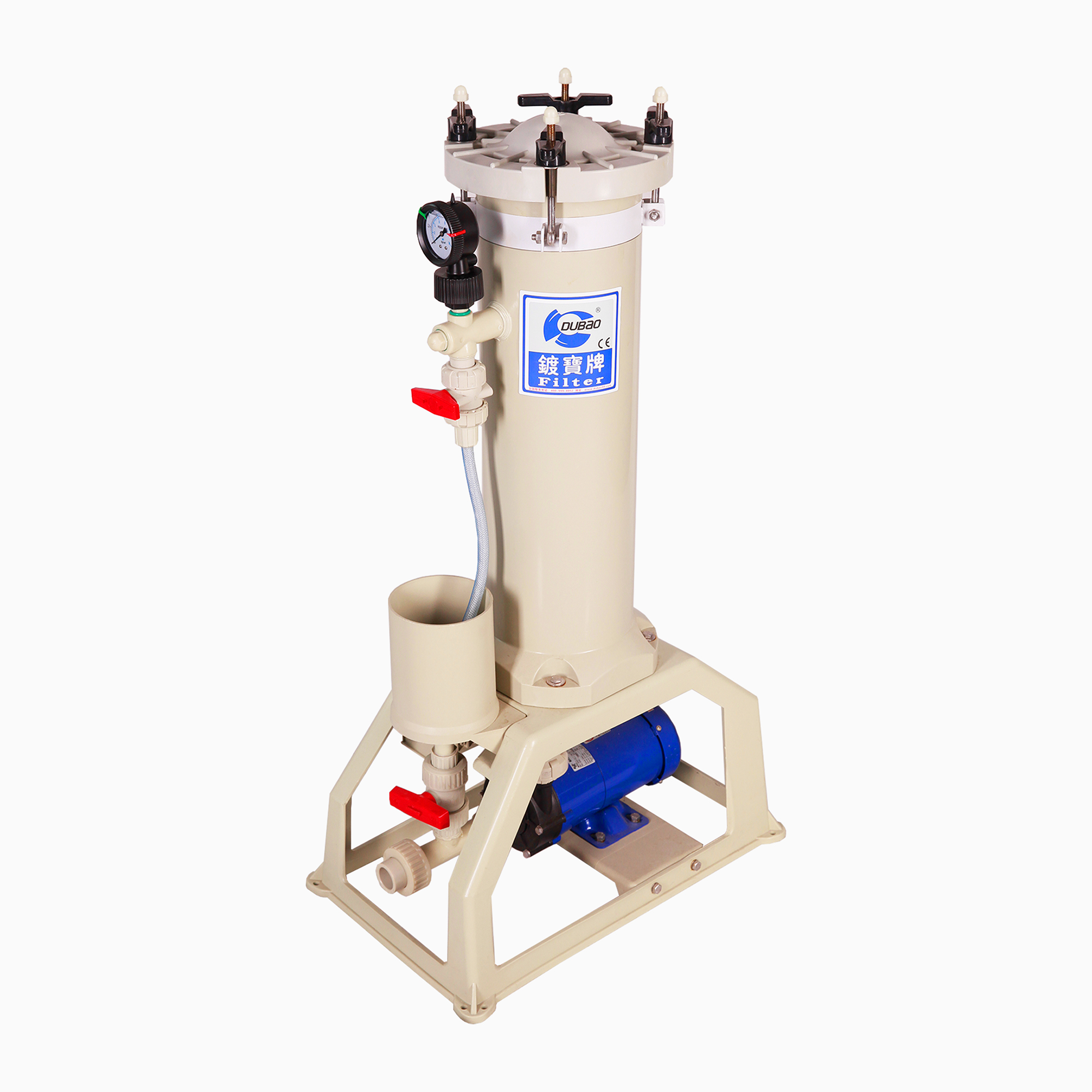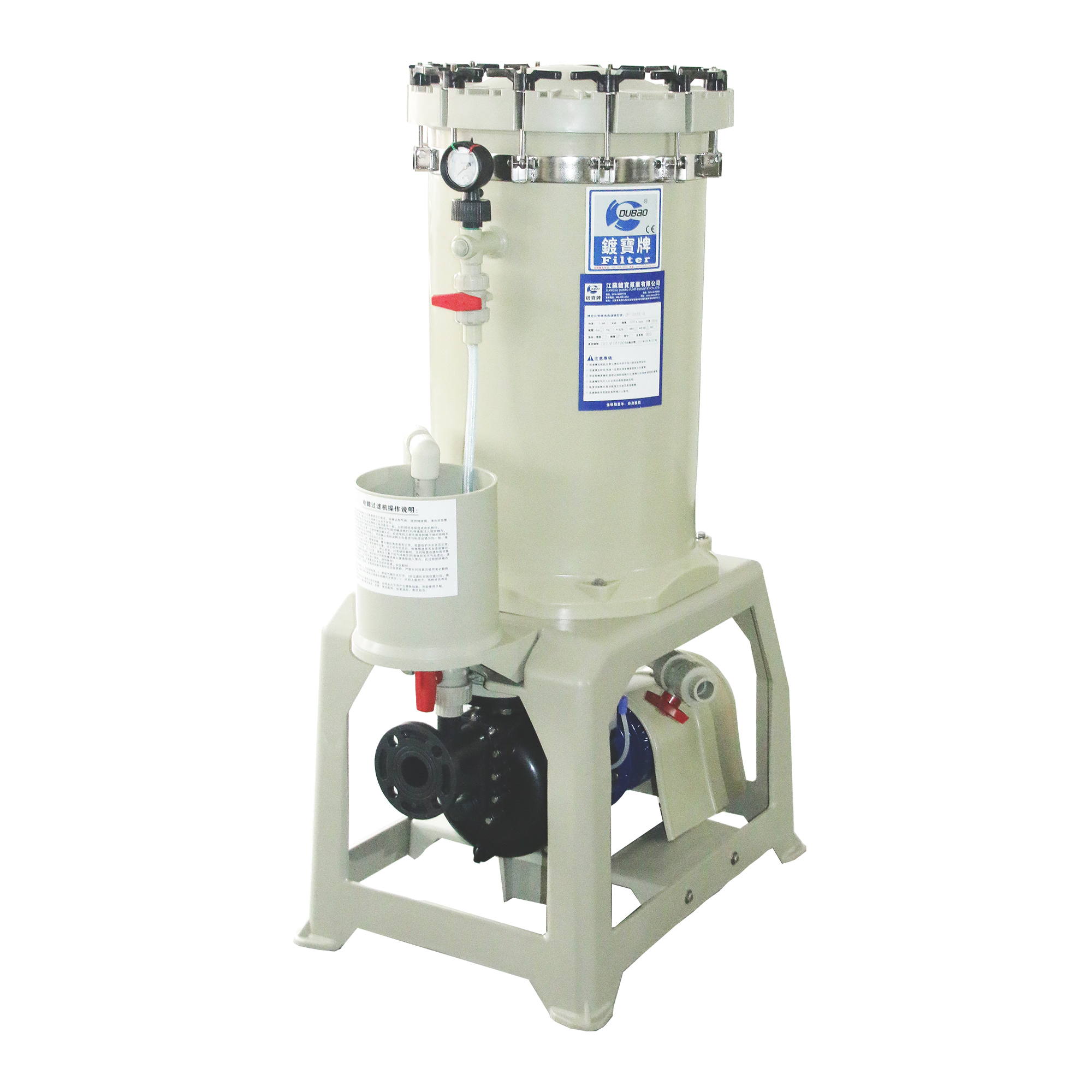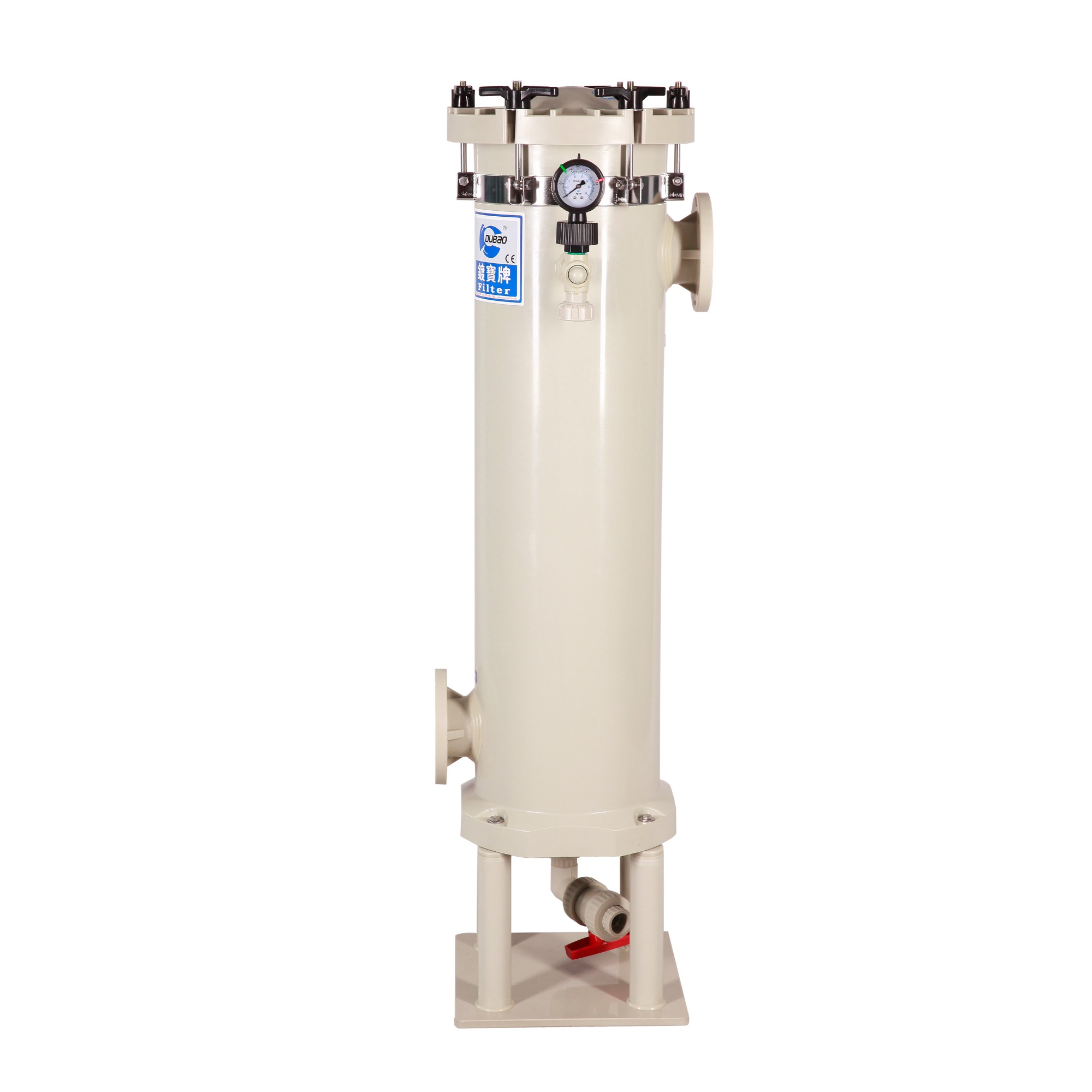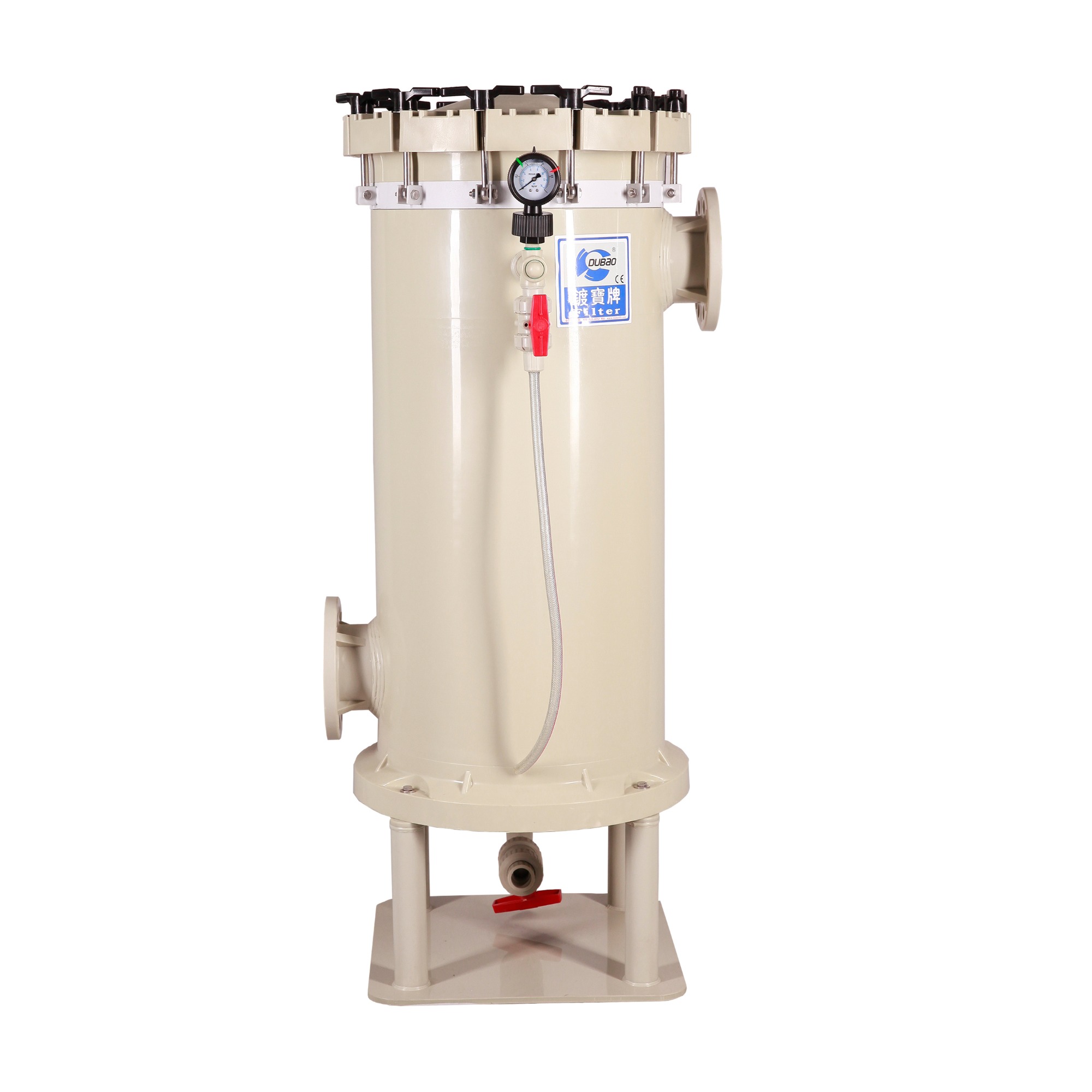
In the chemical industry, security filters of corrosion-resistant materials have a wide range of applications. Here are some common cases:
Acid and base media filtration: chemical production often involves the treatment of acid and base media, such as sulfuric acid, hydrochloric acid, hydrofluoric acid, sodium hydroxide, etc. Security filters made of corrosion-resistant materials (such as stainless steel, glass fiber reinforced plastics, etc.) can effectively filter out impurities and solid particles, ensuring product quality and the normal operation of production equipment.
Organic solvent filtration: Organic solvents used in chemical production processes, such as acetone, methanol, xylene, etc., may be corrosive to some conventional materials. Security filters made of corrosion-resistant materials can effectively filter and separate organic solvents, protect production equipment and improve product purity.
Corrosive gas filtration: In some chemical processes, corrosive gases are produced or used, such as chlorine, ammonia, sulfur dioxide, etc. Security filters of corrosion-resistant materials can be used to filter solid particles or impurities in these gases, prevent blockage and corrosion of pipelines and equipment, and ensure the safety of the working environment and product quality.
Corrosive liquid treatment: In chemical production, it may involve the treatment of corrosive liquids, such as acidic waste liquid, corrosive solution, etc. Security filters of corrosion-resistant materials can be used to filter solid particles and impurities in these liquids, protect equipment and pipes from corrosion, and purify the liquid to meet environmental requirements.
These cases are only part of the application scenarios of corrosion-resistant material security filters in the chemical industry. Depending on the specific chemical process and needs, different corrosion resistant materials and filter types can be selected to meet different filtration requirements and environmental conditions.