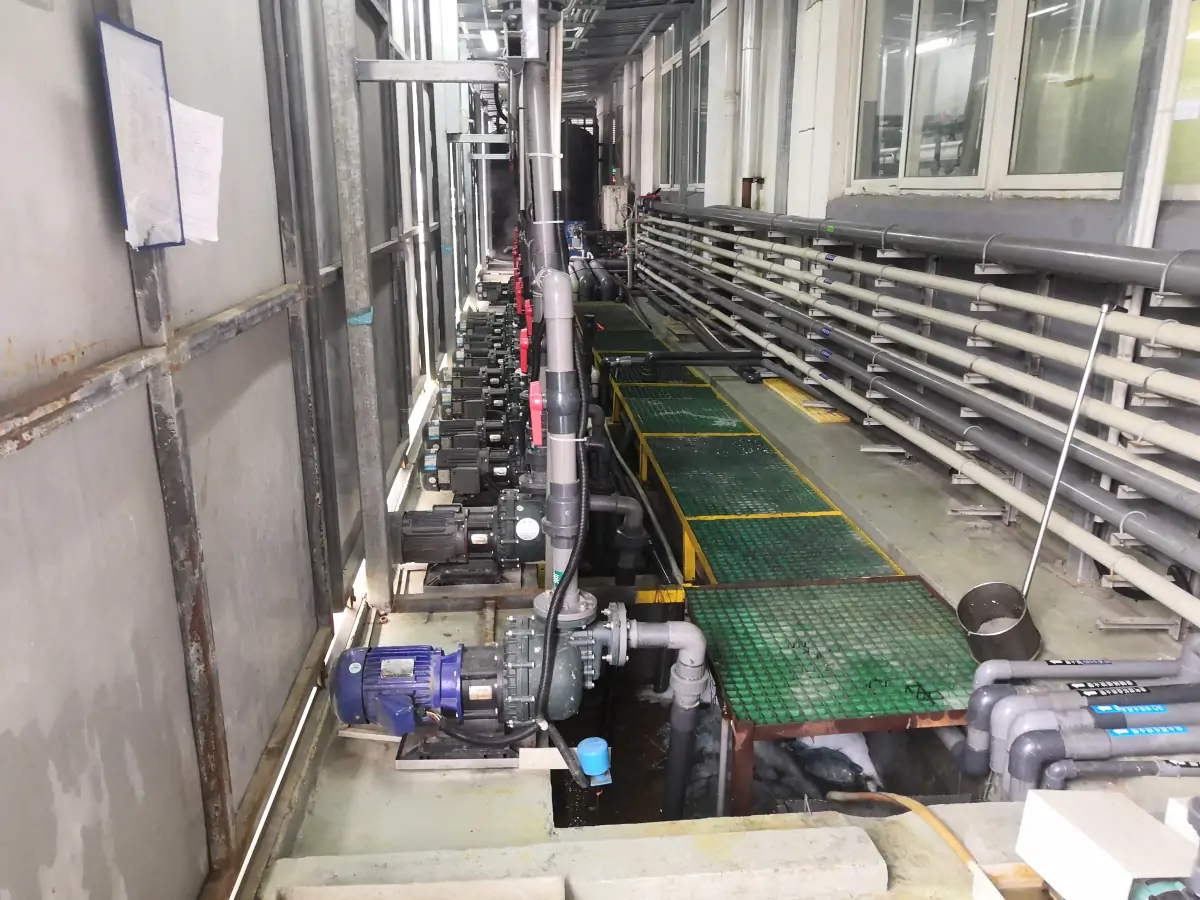
1. The
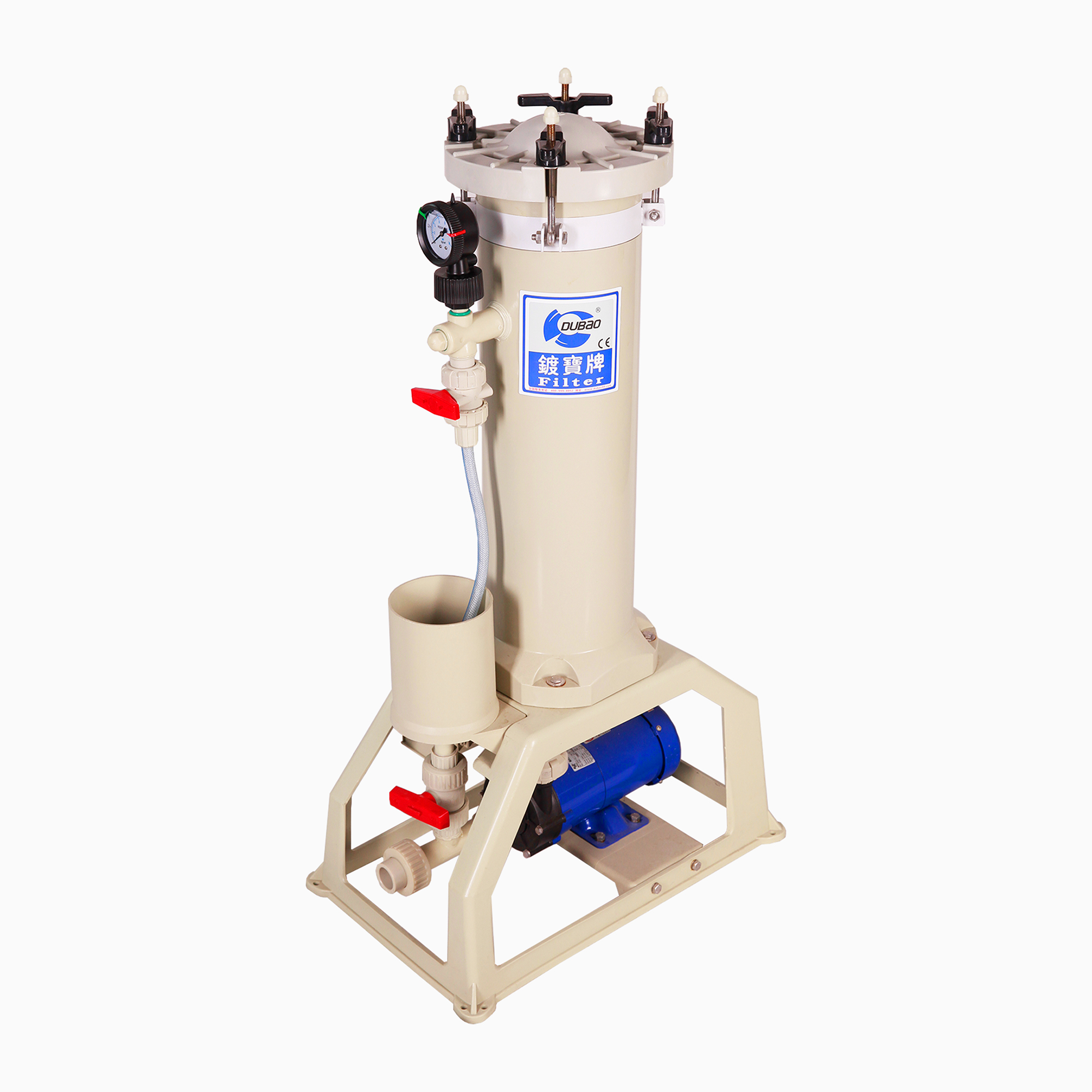
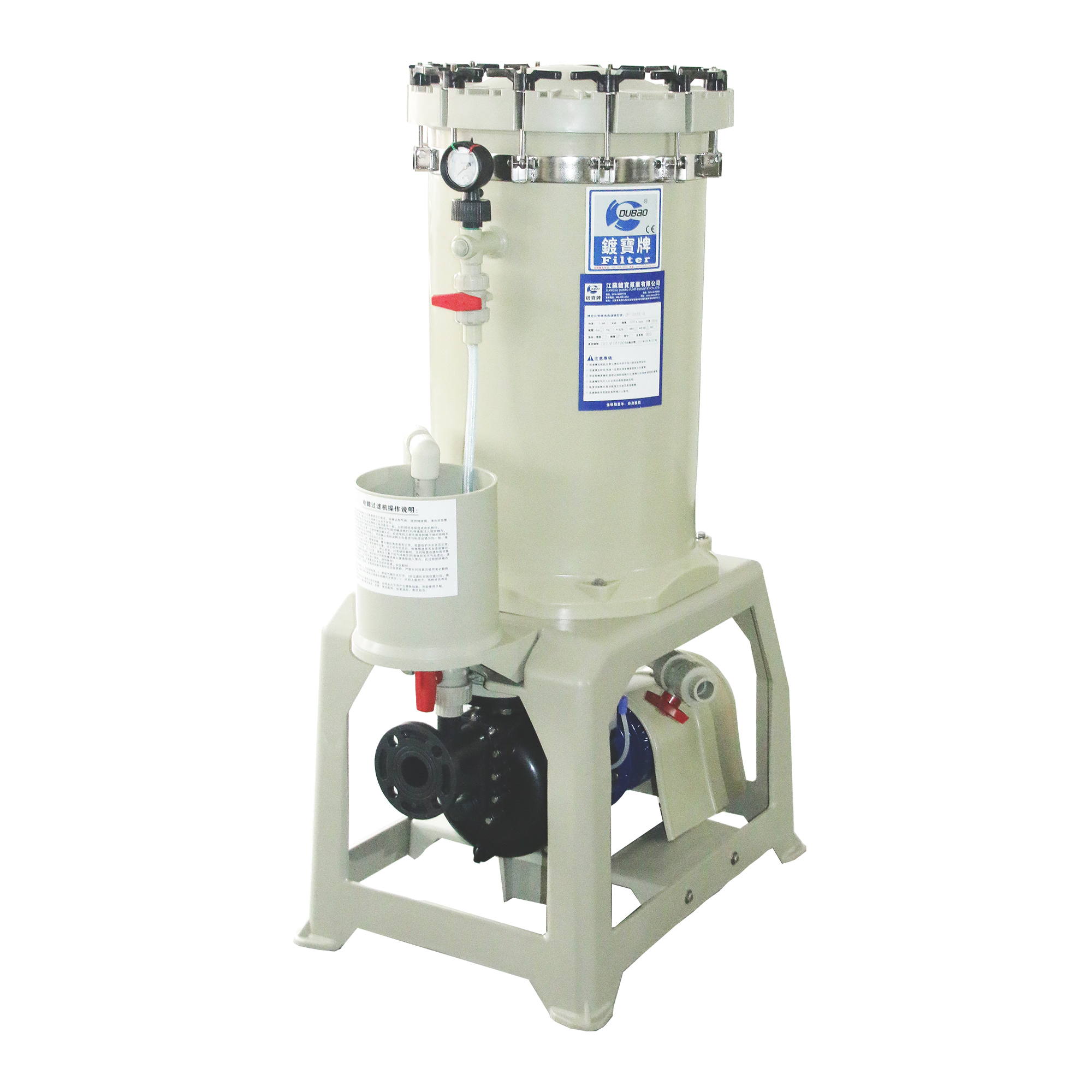
chemical self-priming pump is suitable for urban environmental protection, construction, fire protection, chemical industry, pharmaceuticals, dyes, printing and dyeing, brewing, electricity, electroplating, papermaking, industrial and mining washing, equipment cooling, etc.
2. The
chemical self-priming pump is equipped with a rocker-type nozzle, and after the water is flushed into the air, it is scattered into fine raindrops for spraying. It is a good tool for farms, nurseries, orchards, and vegetable gardens.
3. The
chemical self-priming pump is suitable for clean water, seawater, chemical medium liquid with acid and alkalinity, and slurry with general paste (medium viscosity <100 centipoises, solid content up to 30%). Shanghai Punching Net
4. The
chemical self-priming pump can be used with any type and specification of filter presses. It is the most ideal matching pump for pressure filtration when the slurry is sent to the filter press.
Before starting the
chemical self-priming pump, fill the pump casing with water (or there is water in the pump casing). After starting, the impeller rotates at a high speed so that the water in the impeller channel flows to the volute. At this time, a vacuum is formed at the inlet, so that the water inlet check door is opened, and the air in the suction pipe enters the pump and reaches the outer edge through the impeller channel.
A self-priming pump is a
self-priming centrifugal pump. It has the advantages of compact structure, convenient operation, stable operation, easy maintenance, high efficiency, long life, and strong self-priming ability.

There are many structural types of
chemical self-priming pumps. Among them, the external mixing
chemical self-priming pump, on the other hand, is discharged into the gas-water separation chamber by the impeller and flows back to the outer edge of the impeller through the left and right return holes. Under the action of pressure difference and gravity, the water flowing back from the left water return hole is shot into the impeller channel and is crushed by the impeller. After mixing with the air from the suction pipeline, it is thrown to the volute, and the vacuum pump is metered by the submerged pump. Pump Gear Pump Corrosion Resistant Pump Acid Resistant Pump Fire Pump Flow in the direction of rotation. Then it joins with the water from the right return water hole and flows along the volute. Because the liquid continuously impacts the blade cascade in the volute and is continuously broken by the impeller, it is strongly stirred and mixed with the air to generate a gas-water mixture, and it flows continuously so that the gas-water cannot be separated. The mixture is peeled off by the separation tongue at the outlet of the volute of the
chemical self-priming pump and enters the separation chamber of the
chemical self-priming pump along the short pipe. The air in the separation chamber is separated and discharged by the outlet pipe, while the water still flows to the outer edge of the impeller of the
chemical self-priming pump through the left and right return holes, and is mixed with the air in the suction pipe.