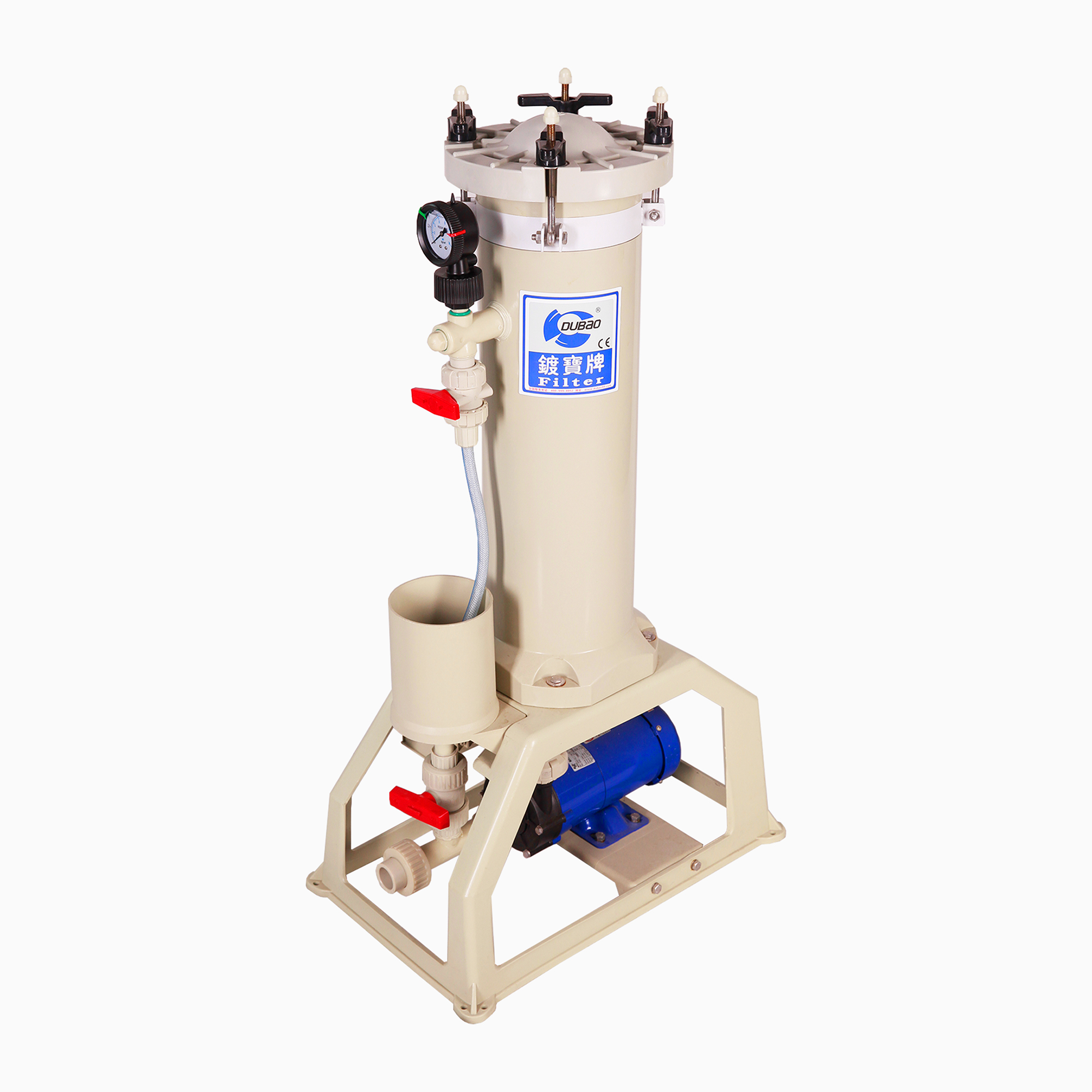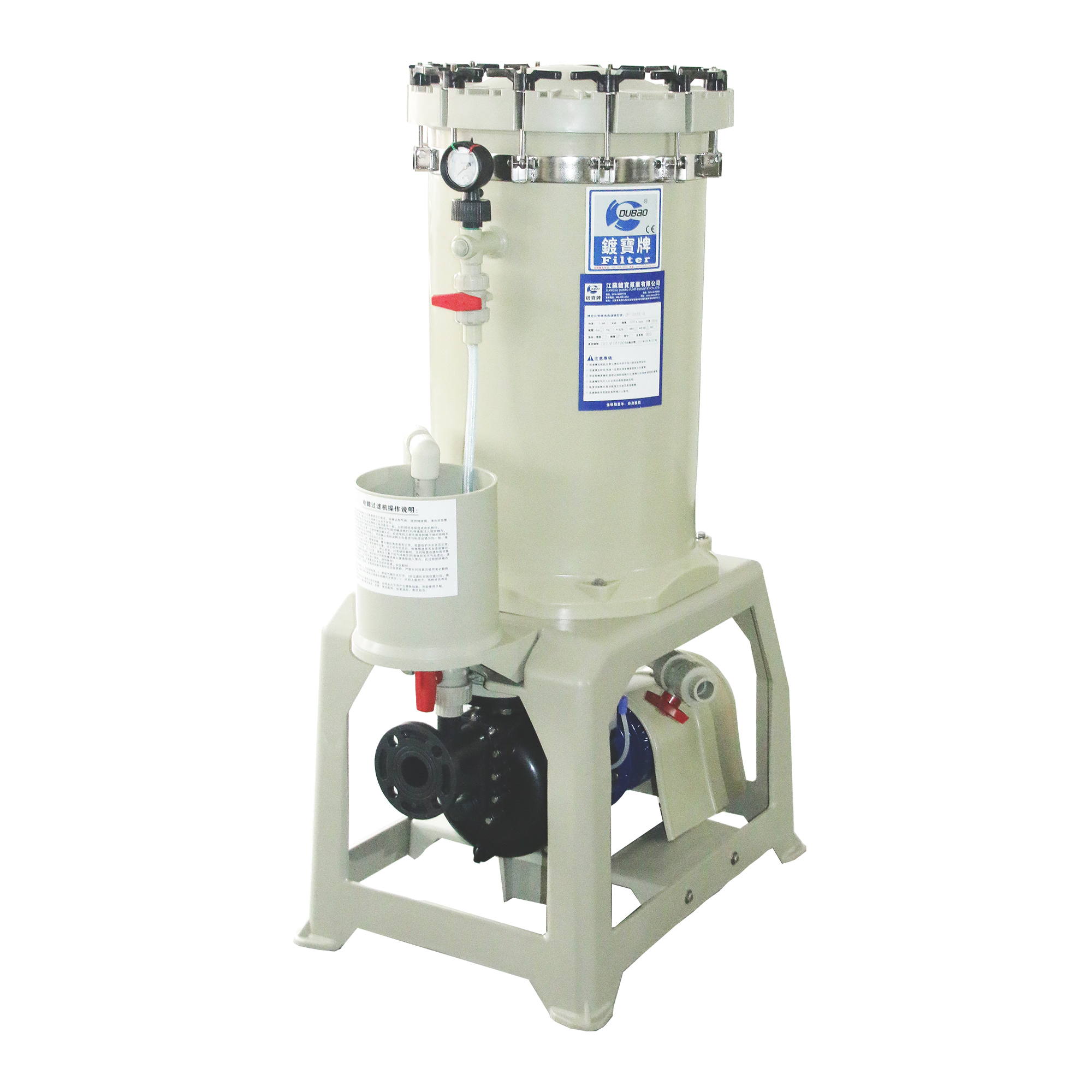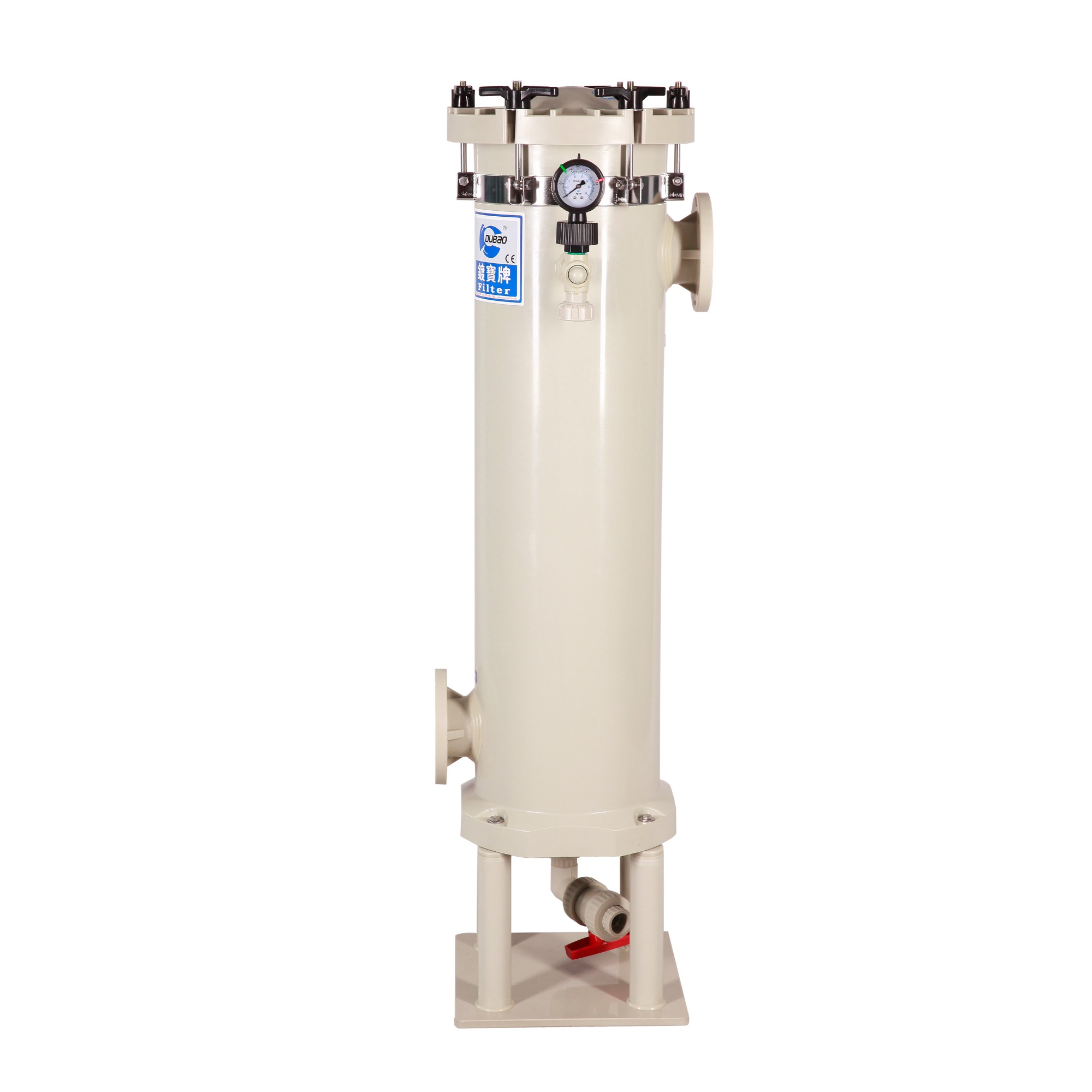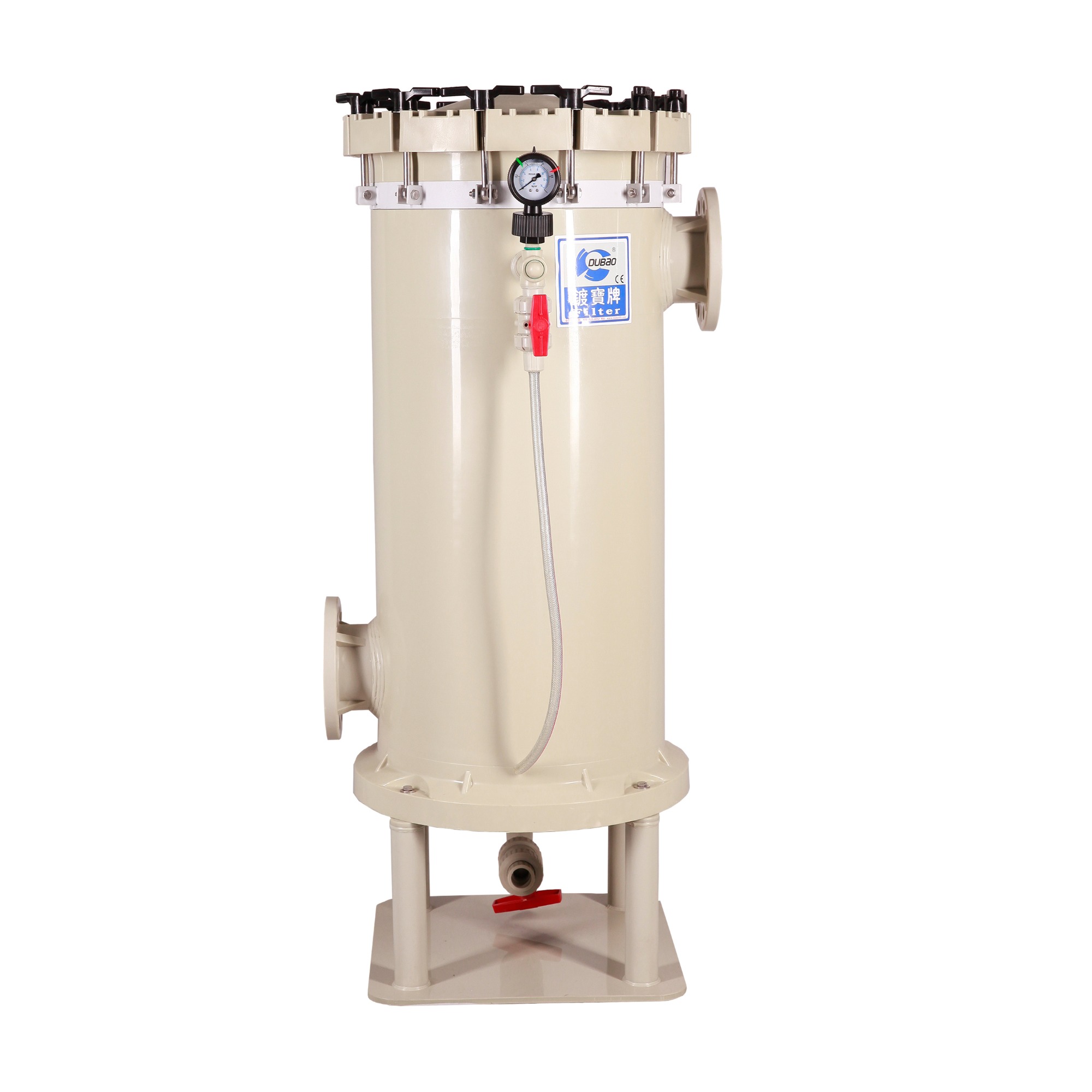
Liquid drug filters are widely used in the pharmaceutical industry, and the following are some specific application cases:
Biopharmaceutical products typically require a high degree of purity, and filters play a key role in the biopharmaceutical process. For example, the use of nanofilters to remove bacteria, viruses and other microorganisms, while removing impurities such as protein, DNA, RNA, etc., to ensure product quality.
In the field of injection drug use: Injection drug use must ensure strict microbial and particle control, and filters are widely used in the process of injection drug use. For example, a 0.22 micron filter is used to remove bacteria and microorganisms, ensuring the safety of injectable drugs.
Chinese medicine granule preparations: Chinese medicine granule preparations usually need to remove particles and impurities, and filters play an important role in this process. For example, the use of microporous filter membrane to filter Chinese medicine particles, remove impurities, and ensure the quality of particle preparations.
Aseptic operation field: Liquid filter plays a crucial role in the aseptic operation process. For example, when preparing sterile products, it is necessary to remove microorganisms and dust particles in the air through filters to ensure the sterility of the product.
In the field of granulation: In the process of drug granulation, filters are used to remove particles and impurities to ensure the quality of drug particles. For example, a filter is used to remove particles and dust particles during the granulation process, ensuring the uniformity and quality of the particles.
In summary, liquid drug filters are widely used in the pharmaceutical industry, and play an important role in ensuring product quality, improving production efficiency and reducing production costs.